
Time Required to Become a Pilot”, covering all aspects from student pilot to commercial airline captain:
Time Required to Become a Pilot: A Complete Guide
Becoming a pilot is one of the most rewarding careers, offering both adventure and professional growth. However, aspiring aviators often ask: “How long does it take to become a pilot?” The answer varies depending on your goals, the type of pilot license you seek, your training path, and how much time and resources you can commit.
This guide provides a detailed breakdown of the time required at each stage of pilot training, from starting with zero experience to flying for an airline as a commercial pilot. Whether you’re looking for a quick overview or a deep dive into every step, this guide will help you understand what it takes—and how long it takes—to become a pilot.
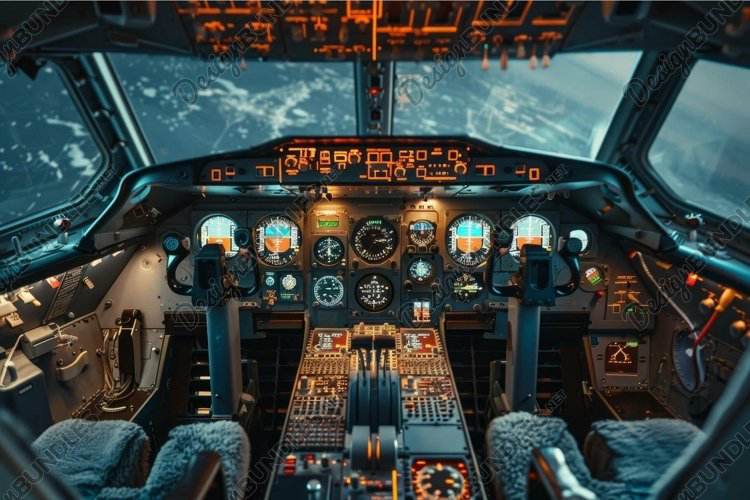
Overview: Total Time Needed to Become a Pilot
The total time to become a professional pilot can range from 1 year to over 3 years, depending on:
- Type of license (Private, Commercial, Airline Transport)
- Full-time vs. part-time training
- Modular vs. Integrated programs
- Weather and aircraft availability
- Country-specific aviation authority requirements
Here’s a simplified estimate of how long it takes to reach different pilot levels:
| Pilot Level | Time Required (Full-Time) | Time Required (Part-Time) |
|---|---|---|
| Student Pilot License (SPL) | 1 month | 2–3 months |
| Private Pilot License (PPL) | 2–6 months | 6–12 months |
| Commercial Pilot License (CPL) | 6–12 months | 12–24 months |
| Airline Transport Pilot (ATPL) | 18–24 months (frozen) | 24–36 months |
Let’s now go step-by-step through the full journey and how much time each phase takes.
1. Student Pilot License (SPL) – 1 to 3 Months
The Student Pilot License is the very first step in the aviation path. It allows a trainee to begin flying under supervision.
Key Elements:
- Age: Typically 16+ years old
- Medical exam (Class 1 or 2)
- Basic theory test
- Enroll in a flight school
Time Required:
- Full-time: 1 month
- Part-time: 2–3 months
This phase includes a few ground lessons and some initial dual flights with an instructor. No solo flights are allowed until the SPL is issued.


2. Private Pilot License (PPL) – 2 to 12 Months
The Private Pilot License allows you to fly non-commercially and carry passengers, but not for compensation. It is the first full pilot license.
Training Requirements:
- 40–60 flight hours minimum (varies by country)
- Ground school: Meteorology, Navigation, Regulations, etc.
- Written theory exams
- Solo flights and cross-country flights
- Final flight test with an examiner
Time Required:
- Full-time: 2 to 4 months
- Part-time: 6 to 12 months
Factors like weather, availability of instructors, and frequency of flying greatly influence how long the PPL takes. Many people pursuing aviation as a hobby stop at this level.
3. Time Building – 3 to 12 Months
Before moving on to commercial training, pilots must accumulate flight hours—often 150–200 total flight time is required for a CPL (depending on region).
What Time Building Involves:
- Flying solo or with other students
- Cross-country navigation
- Night flights
- Practicing maneuvers and emergency procedures
Time Required:
- Full-time: 3–6 months (if flying daily)
- Part-time: 6–12 months (if flying weekends or evenings)
Some countries allow time building to occur alongside advanced training. Instructors can also earn hours while being paid.
CLICK 👉 download 300 aviation books just 1 MB
CLICK 👉 AIRBUS A320 COURSE
CLICK 👉 BOEING 737 PILOT COURSE
CLICK 👉 BOEING 747 PILOT COURSE
CLICK 👉 BOEING 757 PILOT COURSE
CLICK 👉 BOEING 767 PILOT COURSE
CLICK 👉 BOEING 777 PILOT COURSE
CLICK 👉 BOEING 787 PILOT COURSE
CLICK 👉 CESSNA 150 PILOT COURSE
CLICK 👉 CESSNA 152 COURSE
CLICK 👉 CESSNA 162 SKYCATCHER COURSE
CLICK 👉 CESSNA 172N SKYHAWK
CLICK 👉 CESSNA 172S COURSE
CLICK 👉 CESSNA 182T SKYLANE
CLICK 👉 ROBINSON R22 COURSE
CLICK 👉 ROBINSON R44 RAVEN II
CLICK 👉 PIPER ARCHER III PA-28-181 FULL COURSE
Click 👉 Online pilot training course
4. Commercial Pilot License (CPL) – 6 to 12 Months
The CPL is the license needed to fly commercially—be paid to fly for airlines, charter companies, or other operators.
Requirements:
- Minimum total flight hours: 200–250
- Ground school and written exams
- Advanced maneuvers, navigation, and cross-country flights
- Final check ride with examiner
Time Required:
- Full-time: 6–8 months
- Part-time: 12+ months
Some students complete the CPL as part of an Integrated ATPL program, where all training from zero to commercial level is done in one structured course lasting 18–24 months.
5. Instrument Rating (IR) – 1 to 3 Months
The Instrument Rating qualifies a pilot to fly in low visibility and under Instrument Flight Rules (IFR)—essential for commercial operations.
Requirements:
- 40–50 hours of instrument flight training
- Ground training and theory exams
- Simulator sessions
- Final instrument check ride
Time Required:
- Full-time: 1–2 months
- Part-time: 2–3 months
This can be done after the CPL or during integrated training programs.
6. Multi-Engine Rating (ME) – 2 to 4 Weeks
The Multi-Engine Rating is necessary for flying aircraft with two or more engines.
Requirements:
- 6–10 hours of flight time in a twin-engine aircraft
- Systems and performance training
- Final check ride
Time Required:
- Full-time: 2 weeks
- Part-time: 3–4 weeks
Some schools offer CPL + IR + ME together as a package, saving time and money.
7. Airline Transport Pilot License (ATPL) Theory – 6 to 9 Months
The ATPL is the highest license and is required to act as a captain on commercial aircraft. The ATPL Theory phase is often called “Frozen ATPL” until 1,500 flight hours are logged.
Training Includes:
- 14 written exams (subjects include air law, navigation, systems, performance)
- Ground school: In-person or online
- Mock exams and progress tests
Time Required:
- Full-time: 6–7 months
- Part-time: 8–9 months
You can start ATPL theory after PPL or during CPL training, depending on the country.
8. MCC & JOC (Multi-Crew Cooperation & Jet Orientation Course) – 1 to 2 Months
These courses prepare pilots to operate in a multi-crew environment and fly jet aircraft.
Training Includes:
- Simulator training (e.g., Airbus A320 or Boeing 737)
- Crew communication and coordination
- Jet handling, SOPs, emergency procedures
Time Required:
- Full-time: 4–6 weeks
- Part-time: Up to 2 months
Airlines often look for pilots with MCC + JOC when hiring new cadets.
9. Type Rating – 1 to 3 Months
The type rating is specific to the aircraft model you’ll fly for a company (e.g., Boeing 737, Airbus A320). It is typically done after being hired but sometimes done independently.
Training Includes:
- In-depth study of aircraft systems
- Full-motion simulator training
- Emergency scenarios
- Final type-specific check ride
Time Required:
- Full-time: 4–8 weeks
- Part-time: Up to 3 months
Some cadets undergo “self-sponsored” type ratings to increase employability.
10. First Officer Line Training – 3 to 6 Months
After joining an airline, new pilots undergo line training, flying with experienced captains on real routes while being evaluated.
Time Required:
- Typically 3 to 6 months
Upon successful completion, you’re a fully operational First Officer (co-pilot). You may then work toward accumulating hours to become a Captain.
Summary: Total Time Required to Become a Pilot
Modular Training Path:
| Stage | Estimated Time (Months) |
|---|---|
| SPL + PPL | 3–6 |
| Time Building | 3–9 |
| CPL + IR + ME | 6–12 |
| ATPL Theory | 6–9 |
| MCC + JOC | 1–2 |
| Type Rating | 1–3 |
| Total: | 20–36 months (2–3 years) |
Integrated Training Path:
| Stage | Estimated Time (Months) |
|---|---|
| Ab Initio (Zero to Frozen ATPL) | 18–24 |
| MCC + Type Rating + Line Training | 4–6 |
| Total: | 24–30 months (2–2.5 years) |
Factors That Can Affect Training Duration
- Weather: Poor conditions can delay flight hours
- Availability: Aircraft, instructors, and examiners can affect scheduling
- Study Schedule: Part-time students take longer
- Finance: Interruptions in payment can delay progress
- Location: Countries with better weather allow for faster training
How to Speed Up Your Training
- Choose a school with multiple aircraft and instructors
- Train in countries with consistent weather (e.g., USA, Australia)
- Enroll in an integrated course for continuous progression
- Study ahead using online ground school materials
- Maintain good health and pass medicals promptly

Conclusion: Time Well Spent
While becoming a pilot requires commitment, discipline, and time, it is one of the most fulfilling careers in the world. Whether you become a private pilot in 6 months or an airline pilot in 2.5 years, the journey is worth it.

Understanding the time required to become a pilot helps you plan your path, set realistic goals, and make smart choices about training, schools, and financing.
In summary:
- Private Pilot: 6–12 months
- Commercial Pilot: 1–2 years
- Airline Pilot: 2–3 years
With the right mindset and dedication, you can navigate your way from dreaming about flying to making it your profession.