
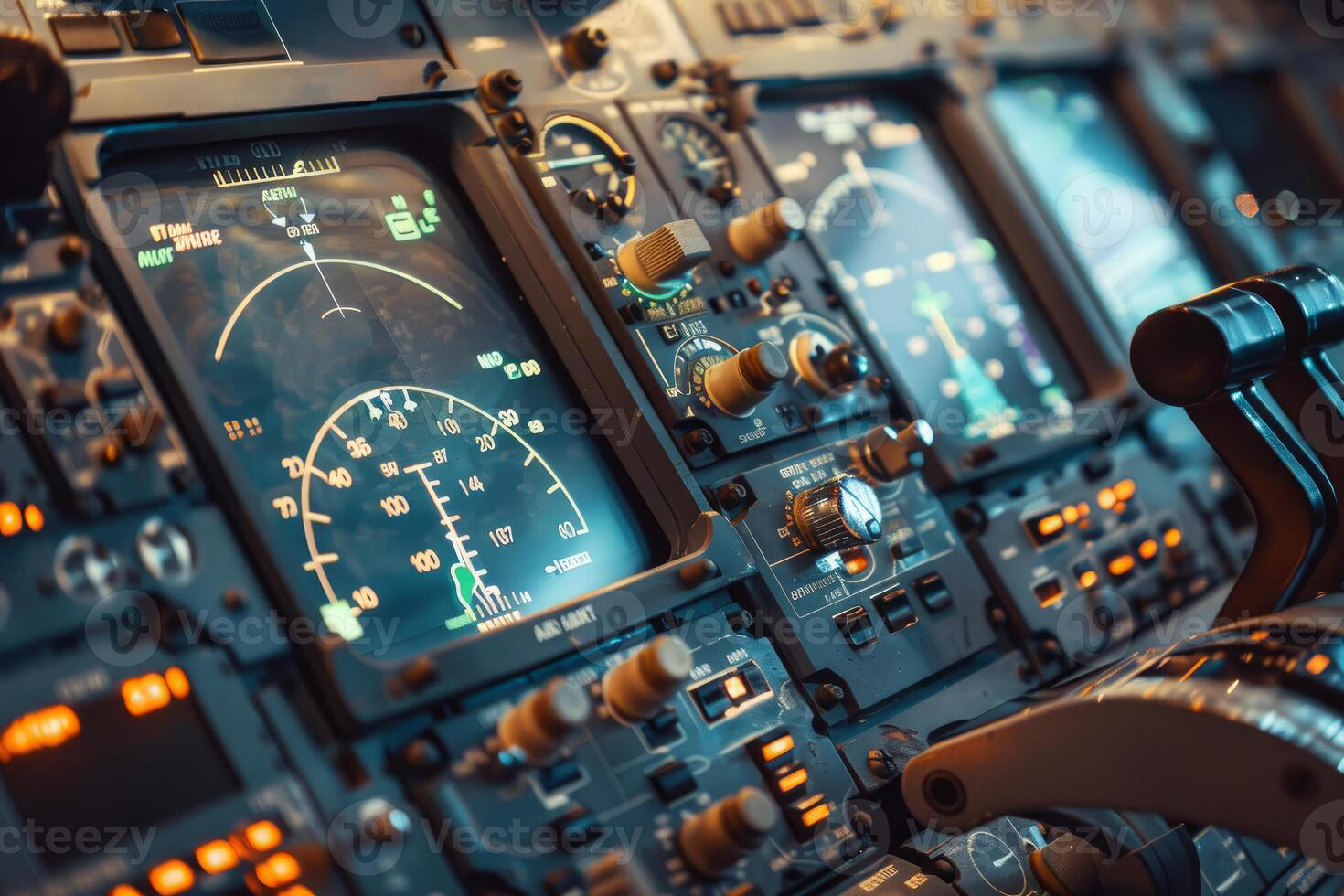
Pilot Training Program: A Comprehensive Guide
Introduction
A Pilot Training Program is a structured educational path designed to equip aspiring aviators with the theoretical knowledge, practical skills, and certifications necessary to become professional pilots. Whether the end goal is to fly commercial airliners, private jets, cargo aircraft, or even become a flight instructor, a well-rounded pilot training program provides the foundation for a successful aviation career.
Pilot training is both challenging and rewarding, requiring a combination of academic dedication, physical fitness, mental sharpness, and unwavering commitment. This guide provides an in-depth overview of a typical pilot training program, from the initial steps to advanced certifications and career opportunities.


1. Program Overview
A pilot training program typically follows a series of structured phases, including ground school, flight training, simulator sessions, and examinations. These programs can be pursued through flight academies, aviation colleges, universities with aviation departments, or airline-sponsored cadet programs.
Types of Pilot Licenses
Depending on the student’s career goals, the training path may lead to one or more of the following licenses:
- Private Pilot License (PPL)
- Commercial Pilot License (CPL)
- Airline Transport Pilot License (ATPL)
- Certified Flight Instructor (CFI)
Each license builds upon the previous one, with progressively more stringent requirements and responsibilities.
2. Entry Requirements
To enroll in a pilot training program, candidates must meet certain eligibility criteria. These vary slightly by country and aviation authority but generally include:
- Minimum Age: 17 years for a PPL; 18–21 for CPL and above.
- Education: High school diploma or equivalent, with strong skills in math and physics.
- Medical Certificate: A Class 1 or Class 2 aviation medical certificate issued by an authorized aviation medical examiner.
- English Proficiency: Since aviation communication is in English, proficiency is mandatory (ICAO Level 4 or higher).
Additional criteria may include background checks, aptitude tests, and interviews—especially for airline-sponsored programs.
3. Ground School
Ground school is the academic component of pilot training, where students learn the theoretical knowledge necessary for safe and efficient flight. Topics covered include:
- Principles of Flight
- Meteorology
- Navigation
- Flight Instruments and Systems
- Aircraft Performance and Limitations
- Air Law and Regulations
- Human Performance and Limitations
- Operational Procedures
- Radio Telephony and Communication Procedures
Classes are often instructor-led in classrooms, but many institutions offer hybrid or fully online options.
Examinations administered by aviation authorities test the student’s understanding before they progress to the next training phases.
4. Flight Training Phases
a. Private Pilot Training (PPL)
The PPL is the first step in any pilot’s journey. It allows the holder to fly light aircraft privately (not for commercial gain). Training includes:
- Minimum Flight Hours: Typically 40–50 hours (varies by country).
- Basic Maneuvers: Takeoffs, landings, climbs, turns, stalls.
- Cross-Country Flying: Navigation between airports.
- Emergency Procedures: Handling engine failures, weather changes.
- Solo Flights: Students must complete a number of supervised solo flights.
b. Time Building
After earning a PPL, aspiring commercial pilots must log a significant number of flying hours to qualify for the CPL. This phase involves:
- Solo Cross-Country Flights
- Night Flying
- Instrument Time (if not integrated into later phases)
Most time-building is done under general aviation conditions, allowing students to refine their skills and build confidence.
c. Commercial Pilot Training (CPL)
The CPL allows the holder to act as a professional pilot and be paid for flying. Training includes:
- Advanced Maneuvers: Steep turns, precision landings, abnormal procedures.
- Instrument Flight Rules (IFR): Flying in cloud and low-visibility conditions.
- Complex Aircraft Training: Multi-engine and high-performance aircraft.
- Advanced Navigation: Use of modern GPS, VORs, and flight management systems.
CPL programs require between 150 and 250 total flight hours, depending on national regulations.
5. Instrument Rating (IR)
An Instrument Rating is often integrated with the CPL or pursued separately. It allows pilots to fly under IFR, a crucial skill for commercial operations.
Training includes:
- Use of Instruments for Navigation and Control
- Procedures for IFR Departures, Enroute, and Approaches
- Flying Without Visual References
- Emergency Scenarios in IMC (Instrument Meteorological Conditions)
The IR is essential for airline operations and high-level flying roles.
6. Multi-Engine Rating (ME)
This rating certifies a pilot to operate aircraft with more than one engine. The training focuses on:
- Asymmetric Flight Handling: Managing engine failure.
- Multi-Engine Systems and Procedures
- Performance Calculations
- Emergency Handling
Multi-engine training is usually conducted in advanced aircraft such as the Piper Seminole or Diamond DA42.
7. Airline Transport Pilot License (ATPL)
The ATPL is the highest level of aircraft pilot certification. It is required to act as Captain on airliners. There are two types:

- Frozen ATPL: Issued when the pilot passes the theoretical exams but hasn’t yet met the experience requirements (e.g., 1,500 flight hours).
- Unfrozen ATPL: Granted once all flying experience is met.
ATPL exams are rigorous, covering all aviation knowledge areas in depth.
8. Flight Simulators and MCC Training
Modern training involves advanced flight simulators, especially for multi-crew and airline operations.
- Multi-Crew Cooperation (MCC): Prepares pilots to operate in a multi-crew cockpit environment.
- Jet Orientation Course (JOC): Introduces jet aircraft handling characteristics and systems.
- Simulator Training: Practice complex procedures without risks, such as engine failure, adverse weather, and ATC interaction.
These modules are often required before applying to commercial airlines.


9. Certified Flight Instructor (CFI) Path
Some pilots choose to become instructors to build flight hours or pursue a teaching career in aviation. The CFI program includes:
- Advanced Understanding of Flight Theory
- Teaching Techniques and Classroom Instruction
- In-Flight Instructional Techniques
- Student Evaluation and Safety Management
CFIs often go on to become chief flight instructors or airline captains, as they accumulate valuable experience in training environments.
10. Cost of Pilot Training
Pilot training is a significant financial investment. Costs vary by country, flight school, and type of license, but typical estimates are:
- PPL: $8,000–$15,000
- CPL + IR + ME: $40,000–$70,000
- ATPL (Integrated Program): $60,000–$120,000
- Modular Programs: Flexible but potentially more expensive over time.
Financial support options include loans, scholarships, airline-sponsored training, and pay-as-you-go structures.
11. Career Opportunities
Graduates of pilot training programs can pursue a wide range of career paths:
- Airline Pilot: Regional, national, or international carriers.
- Cargo Pilot: Freight operations across the globe.
- Charter and Corporate Pilot: Flying private jets or VIP clients.
- Aerial Survey and Photography
- Agricultural Aviation: Crop-dusting, spraying.
- Search and Rescue
- Flight Instruction
As aviation recovers and expands, demand for pilots is growing, especially in emerging markets and expanding airline fleets.

12. Regulatory Bodies
Pilot training is regulated by national and international aviation authorities to ensure safety and standardization. Common governing bodies include:
- Federal Aviation Administration (FAA) – United States
- European Union Aviation Safety Agency (EASA) – Europe
- Civil Aviation Authority (CAA) – UK and various countries
- Directorate General of Civil Aviation (DGCA) – India
- Civil Aviation Safety Authority (CASA) – Australia
- International Civil Aviation Organization (ICAO) – Global standards
Students must ensure their training is recognized by the relevant authority where they intend to work.
13. Integrated vs. Modular Training
Pilot training can be pursued in two formats:
Integrated Programs
- Full-time, intensive training programs from zero experience to CPL/ATPL.
- Completed in 18–24 months.
- Cost-effective for those able to commit full-time.
Modular Programs
- Training conducted in individual modules (PPL, IR, CPL, etc.)
- Flexible for those who need to work or study alongside.
- More time-consuming but allows budgeting in stages.
14. Challenges and Rewards
Challenges
- High cost of training.
- Competitive job market.
- Long hours and unpredictable schedules.
- Physical and mental fatigue.
- Constant learning and recertification.
Rewards
- High earning potential.
- International travel and cultural exposure.
- Dynamic, high-responsibility career.
- Opportunities for growth and specialization.
- Fulfilling the dream of flight.


Conclusion
A pilot training program is a rigorous but rewarding journey that transforms aviation enthusiasts into professional aviators. With structured learning, disciplined practice, and dedication, students progress from ground school to commanding the cockpit of sophisticated aircraft.
Whether aiming for the skies as a commercial pilot, instructor, or specialized aviator, the training lays the groundwork for a lifelong career in one of the most exciting and respected professions. As the aviation industry continues to grow, new pilots will be at the forefront of global mobility, technological advancement, and human connection.
Would you like this description tailored for a specific region, aviation authority (like FAA or EASA), or flight school?
CLICK 👉 download 300 aviation books just 1 MB
CLICK 👉 AIRBUS A320 COURSE
CLICK 👉 BOEING 737 PILOT COURSE
CLICK 👉 BOEING 747 PILOT COURSE
CLICK 👉 BOEING 757 PILOT COURSE
CLICK 👉 BOEING 767 PILOT COURSE
CLICK 👉 BOEING 777 PILOT COURSE
CLICK 👉 BOEING 787 PILOT COURSE
CLICK 👉 CESSNA 150 PILOT COURSE
CLICK 👉 CESSNA 152 COURSE
CLICK 👉 CESSNA 162 SKYCATCHER COURSE
CLICK 👉 CESSNA 172N SKYHAWK
CLICK 👉 CESSNA 172S COURSE
CLICK 👉 CESSNA 182T SKYLANE
CLICK 👉 ROBINSON R22 COURSE
CLICK 👉 ROBINSON R44 RAVEN II
CLICK 👉 PIPER ARCHER III PA-28-181 FULL COURSE
Click 👉 Online pilot training course