
Pilot Training Duration, including training phases, timelines for different licenses, regional variations, and factors affecting the total time:
Understanding Pilot Training Duration:
Becoming a professional pilot is a rigorous and time-intensive journey that involves theoretical education, practical training, and regulatory assessments. The total duration of pilot training varies based on multiple factors, including the type of license, country of training, school structure, and the individual’s pace. This comprehensive guide explores every aspect of pilot training duration, from private licenses to advanced airline preparation, giving aspiring pilots a realistic overview of what to expect.
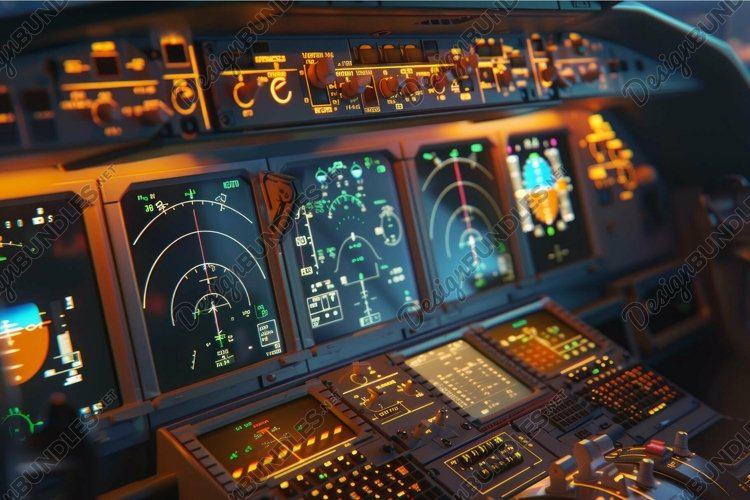
1. Overview: How Long Does It Take to Become a Pilot?
The overall duration of pilot training depends on the end goal:
- Private Pilot License (PPL): 2 to 6 months
- Commercial Pilot License (CPL): 12 to 24 months
- Airline Transport Pilot License (ATPL – Frozen): 18 to 36 months
- Type Rating (specific aircraft training): 1 to 3 months
- University Degree + Flight Training: 3 to 5 years
On average, most professional pilots take 18 to 24 months to become ready for airline hiring, assuming full-time training under an integrated program.
2. Phases of Pilot Training and Duration
Pilot training is divided into progressive phases, each with specific durations:
a. Private Pilot License (PPL)
Duration: 2 to 6 months
This is the foundational license allowing one to fly light aircraft for non-commercial purposes.
Training Includes:
- Ground school (theory): ~3–6 weeks
- Minimum flight hours: 40–60 hours
- Night rating (optional): +1 month
Key Factors Influencing Duration:
- Weather availability
- Aircraft/instructor scheduling
- Student availability (full-time vs. part-time)
b. Instrument Rating (IR)
Duration: 1 to 3 months
IR enables pilots to fly under Instrument Flight Rules (IFR) in low visibility conditions.
Requirements:
- 40–50 hours of instrument flying
- Simulator and flight hours combined
- Theory and check ride
Often combined with CPL or ATPL for efficiency.
c. Commercial Pilot License (CPL)
Duration: 6 to 12 months (standalone) or 12 to 18 months (with IR/ME)
The CPL allows pilots to fly for hire and is a major step toward becoming an airline pilot.
Training Includes:
- Advanced ground school (CPL subjects)
- Minimum flight hours: ~200 total (depending on region)
- Multi-engine training (if included)
- Check rides and skill tests
d. Multi-Engine Rating (ME)
Duration: 2 to 4 weeks
Required for flying twin-engine aircraft, especially in commercial or airline settings.
Training Includes:
- 7–15 flight hours on a multi-engine aircraft
- Ground school and check ride
e. Airline Transport Pilot License (ATPL – Frozen)
Duration: 18 to 36 months
ATPL (frozen) is the highest level of license that pilots can work toward before being eligible for full ATPL issuance after experience.
Components:
- PPL + CPL + IR + ME
- ATPL theoretical exams (14 subjects in EASA regions)
- 200–250 flight hours
To ‘unfreeze’ ATPL: Requires 1,500 flight hours, achieved while working.
f. Type Rating
Duration: 1 to 3 months
Type ratings are mandatory to fly large commercial aircraft (e.g., Airbus A320, Boeing 737).
Training Includes:
- Ground school for specific aircraft
- 30–50 hours of simulator training
- Aircraft familiarization and line training
Often done after airline selection and may be sponsored by the airline.


3. Training Structures and Their Timelines
a. Integrated Training Program
Duration: 12 to 18 months (fast-track)
A full-time, structured course that takes students from zero experience to a frozen ATPL.
Pros:
- Faster route to the cockpit
- Ideal for career-focused students
- Airline partnerships common
Cons:
- Requires full-time commitment
- Upfront cost is higher
b. Modular Training Program
Duration: 18 to 36 months (part-time or pay-as-you-go)
Students complete each license step separately, allowing flexibility.
Timeline Example:
- PPL: 3–6 months
- CPL + IR: 12–18 months
- ME + ATPL theory: 3–6 months
Best For: Students with jobs, budget constraints, or those seeking flexibility.
c. University-Affiliated Aviation Degrees
Duration: 3 to 5 years
Combines academic degree (e.g., BSc in Aviation) with pilot training.
Includes:
- 3–4 years of undergraduate education
- Integrated or modular flying components
- Internship and job placement support
Often extends total training duration but adds academic qualifications.
4. Factors That Influence Training Duration
a. Weather and Location
- Training in areas with frequent rain, snow, or fog causes delays.
- Tropical or desert climates allow more flying days per month.
- U.S., South Africa, Australia, and the Philippines are popular due to favorable flying weather.
b. Student Availability
- Full-time students can complete training faster (12–18 months).
- Part-time students may take 2–4 years.
c. Flight School Scheduling
- Aircraft availability, instructor workloads, and air traffic volume can impact timelines.
d. Regulatory Requirements
- Different authorities (FAA, EASA, DGCA, CASA) have different hour and subject requirements.
e. Exam Retakes or Delays
- Failing theory or flight tests can delay progression by weeks or months.
f. Medical or Financial Interruptions
- Unexpected financial hurdles or medical disqualifications can extend or pause training.
CLICK 👉 download 300 aviation books just 1 MB
CLICK 👉 AIRBUS A320 COURSE
CLICK 👉 BOEING 737 PILOT COURSE
CLICK 👉 BOEING 747 PILOT COURSE
CLICK 👉 BOEING 757 PILOT COURSE
CLICK 👉 BOEING 767 PILOT COURSE
CLICK 👉 BOEING 777 PILOT COURSE
CLICK 👉 BOEING 787 PILOT COURSE
CLICK 👉 CESSNA 150 PILOT COURSE
CLICK 👉 CESSNA 152 COURSE
CLICK 👉 CESSNA 162 SKYCATCHER COURSE
CLICK 👉 CESSNA 172N SKYHAWK
CLICK 👉 CESSNA 172S COURSE
CLICK 👉 CESSNA 182T SKYLANE
CLICK 👉 ROBINSON R22 COURSE
CLICK 👉 ROBINSON R44 RAVEN II
CLICK 👉 PIPER ARCHER III PA-28-181 FULL COURSE
Click 👉 Online pilot training course
5. Comparison of Duration by Region
| Region | License Structure | Typical Duration (PPL to CPL/ATPL) |
|---|---|---|
| USA (FAA) | Modular | 18–30 months |
| Europe (EASA) | Integrated | 18–24 months |
| India (DGCA) | Modular | 18–30 months |
| Australia (CASA) | Modular or Integrated | 12–24 months |
| Canada (TC) | Modular | 18–30 months |
| South Africa | Modular | 12–24 months |
| Philippines | Modular | 14–24 months |
Note: These are average full-time durations; part-time training takes longer.
6. Post-Training Steps: Building Flight Hours
To become an airline pilot, students need total time of 1,500 flight hours (for full ATPL under most authorities like FAA and EASA).
How to Build Hours:
- Flight instructor roles: Most popular route
- Banner towing, aerial photography
- Charter flights, regional airlines
- Private flying clubs
Time required to build 1,500 hours: 1 to 3 years, depending on job and flight opportunities.
7. Duration of Military vs. Civilian Pilot Training
a. Military Pilot Training
- Duration: 1.5 to 2.5 years
- Highly structured, rigorous, and government-funded
- Includes combat training, aircraft systems, and leadership
b. Civilian Pilot Training
- Duration: 1.5 to 3 years
- Flexible based on license path and individual circumstances
8. Sample Timelines for Career Paths
a. Zero to Airline-Ready (Integrated Program)
- PPL: 3 months
- ATPL theory: 6 months
- CPL + ME + IR: 6 months
- MCC/JOC + Type Rating: 2–3 months
- Total: 18 months
b. Modular (Part-Time or Budget-Conscious)
- PPL: 4 months
- CPL: 8 months
- IR: 3 months
- ATPL Theory: 6 months
- Type Rating: 2 months
- Total: 24–36 months
9. Flight Training Frequency and Efficiency
More frequent training sessions result in faster progression and better retention:
| Frequency | Total Duration | Retention |
|---|---|---|
| 3–5 flights/week | 12–18 months | High |
| 1–2 flights/week | 24–36 months | Moderate |
| 1 flight/week | 3–4 years | Low |
Consistent, focused training is the key to quicker and more effective certification.

10. Conclusion: Planning Your Pilot Training Timeline
Pilot training is a structured yet adaptable process. While some students complete training in as little as 12 months, others may take 3 years or more depending on their pace, finances, and career goals. Understanding the structure, timelines, and influencing factors can help you plan effectively.

Tips for Efficient Training:
- Choose a school with reliable weather and resources
- Plan finances to avoid pauses
- Study theory consistently to avoid retakes
- Fly regularly to maintain proficiency
- Explore cadet programs with job guarantees
The sky is truly the limit — with dedication and careful planning, you can navigate your path to becoming a licensed pilot in a timeline that suits your needs and ambitions.