
Pilot School: Your First Step Toward the Skies
Introduction
Pilot school is the gateway for aspiring aviators to turn their dreams of flying into reality. Whether aiming for a career as a commercial airline pilot, a charter or cargo flyer, or even a flight instructor, pilot schools offer the structured training, professional instruction, and real-world flying experience necessary to succeed in the aviation industry.
This detailed guide provides a thorough understanding of what pilot schools are, the types of programs they offer, the steps to becoming a professional pilot, and how to choose the best pilot school for your goals.
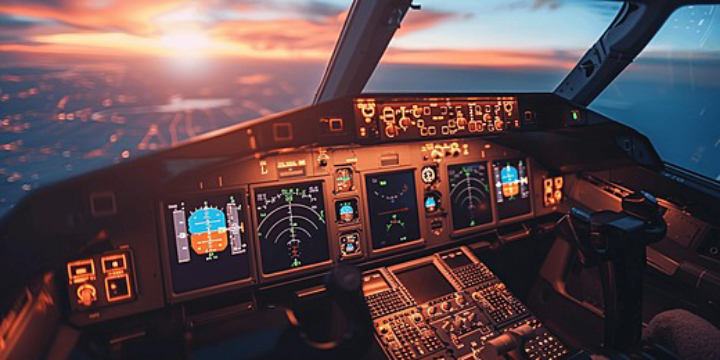
1. What Is a Pilot School?
A pilot school is a certified training organization that provides the education and hands-on flight experience needed to obtain pilot licenses and certifications. These schools follow national and international aviation regulations, such as those set by:
- Federal Aviation Administration (FAA) – U.S.
- European Union Aviation Safety Agency (EASA) – Europe
- Directorate General of Civil Aviation (DGCA) – India
- Civil Aviation Authority (CAA) – U.K.
- International Civil Aviation Organization (ICAO) – Global standards
Pilot schools may be standalone academies or part of aviation colleges and universities. They train students in various levels of pilot certification, starting from basic to advanced.
2. Types of Pilot Training Programs
Pilot schools offer a range of programs depending on a student’s background, career goals, and prior flight experience.
2.1 Private Pilot License (PPL)
- Purpose: Recreational flying, personal use
- Minimum Flight Hours: ~40 hours (varies by country)
- Limitations: Cannot fly for compensation or hire
- Duration: 3 to 6 months
- Eligibility: Minimum age 17–18, Class 2 medical, high school education
2.2 Commercial Pilot License (CPL)
- Purpose: Professional flying (airlines, charter, cargo)
- Minimum Flight Hours: ~200 hours (varies by regulation)
- Includes: Advanced maneuvers, night flying, cross-country flights
- Duration: 12 to 18 months
- Eligibility: PPL, Class 1 medical, strong English proficiency
2.3 Airline Transport Pilot License (ATPL)
- Purpose: Required to act as a Captain in multi-crew aircraft
- Minimum Flight Hours: 1,500 hours (FAA); integrated programs may vary (EASA)
- Includes: Airline-level theory, simulator training, jet handling
- Duration: Varies (may be part of CPL/ATPL integrated course)
- Often obtained after flight experience as a First Officer
2.4 Instrument Rating (IR)
- Purpose: Flying under Instrument Flight Rules (IFR)
- Teaches: Navigation using instruments in poor visibility/weather
- Often integrated with CPL or ATPL
2.5 Multi-Engine Rating (ME)
- Purpose: Flying aircraft with more than one engine
- Includes: Engine-out procedures, emergency protocols
- Often bundled with CPL training
2.6 Flight Instructor Ratings (CFI, FI)
- Purpose: Train other students and build flight hours
- Common first job for new commercial pilots
- Specializations: CFI (Instructor), CFII (Instrument), MEI (Multi-Engine)
3. Structure of Pilot Training
3.1 Ground School
Ground school provides the theoretical foundation, including:
- Aerodynamics
- Aircraft systems
- Navigation and meteorology
- Air law and regulations
- Human performance and limitations
Ground school is essential for passing written exams and for understanding how to operate aircraft safely and efficiently.
3.2 Flight Training
Students learn hands-on flying under the supervision of a Certified Flight Instructor (CFI). Key milestones include:
- Takeoffs and landings
- Traffic pattern work
- Stall and spin recovery
- Cross-country navigation
- Night flying
- Emergency procedures
3.3 Simulator Training
Flight simulators are used extensively for:
- Practicing emergencies
- Instrument flying
- Type rating training
- Cost-effective learning in a safe environment
Advanced flight simulators can replicate real cockpits and weather conditions.


4. Entry Requirements for Pilot School
While exact requirements vary by school and country, general admission criteria include:
- Minimum Age: 17 for PPL, 18 for CPL
- Education: High school diploma (Physics and Math preferred)
- Medical Fitness: Class 1 for CPL, Class 2 for PPL
- English Proficiency: ICAO Level 4 or higher
- Background Check: Security clearance or visa eligibility for international students
Some schools conduct aptitude and psychometric tests to assess hand-eye coordination, problem-solving, and decision-making skills.
5. Cost of Pilot Training
Pilot training is a significant financial investment. Approximate costs (USD):
- PPL: $10,000 – $15,000
- CPL + IR + ME: $40,000 – $70,000
- ATPL (Integrated): $60,000 – $120,000
- Type Rating (e.g., A320): $20,000 – $30,000
Many schools offer modular training (step-by-step licensing) or integrated programs (all-inclusive fast-track training).
Financing options:
- Bank loans
- Scholarships
- Airline cadet programs
- Government schemes
- Payment plans through schools
6. Choosing the Right Pilot School
6.1 Accreditation and Licensing
Ensure the school is approved by your country’s aviation authority (e.g., FAA, EASA, DGCA) and adheres to ICAO standards.
6.2 Fleet and Facilities
Look for schools with:
- Well-maintained aircraft (single and multi-engine)
- Modern flight simulators
- On-site maintenance
- Dedicated airstrip or airport access
6.3 Instructor Experience
Instructors should be:
- Certified
- Experienced in both training and commercial flying
- Available for one-on-one mentorship
6.4 Reputation and Placement
Ask about:
- Airline partnerships
- Graduate success stories
- Job placement support
- Alumni network
6.5 Location and Weather
Schools in regions with favorable flying weather (e.g., Arizona, Florida, South Africa, Australia) allow quicker progress due to more consistent flying conditions.


7. Integrated vs. Modular Training
Integrated Training
- Full-time, all-in-one program
- Faster (12–18 months)
- Highly structured
- Ideal for airline cadets or focused students
Modular Training
- Step-by-step licensing (PPL → CPL → ATPL)
- More flexible
- Good for part-time learners or working students
- Often cheaper initially, but can take longer overall
8. Cadet Pilot Programs
Many airlines offer cadet programs, which partner with specific pilot schools to train future airline pilots. These include:
- IndiGo Cadet Program (India)
- Lufthansa Flight Training (Germany)
- Emirates Cadet Program (UAE)
- Qantas Group Pilot Academy (Australia)
- British Airways Future Pilots Program (UK)
Cadet programs may offer:
- Guaranteed job interview or placement
- Airline-specific training
- Financial aid or sponsored training
- Mentorship from airline pilots
9. Career Path After Pilot School
9.1 First Officer (Co-Pilot)
Initial roles often involve flying regional aircraft or joining low-cost carriers.
9.2 Flight Instructor
Teaching other students is a common first job, helping pilots build flight time toward airline minimums.
9.3 Corporate or Charter Pilot
Flying business jets or private aircraft offers variety and better schedules for some pilots.
9.4 Airline Captain
After gaining experience, pilots are eligible to become Captains, earning higher salaries and responsibilities.
9.5 Specialized Roles
Some pilots specialize in:
- Cargo operations
- Aerial firefighting
- Helicopter operations
- Agricultural flying (crop dusting)
- Military flying (with appropriate background)
10. Safety and Discipline in Pilot Schools
Aviation demands precision, safety, and discipline. Reputable pilot schools emphasize:
- Strict adherence to safety protocols
- Drug and alcohol testing
- Weather judgment training
- Ethical behavior and professional conduct
- Emergency training and simulations
Pilots are trained to manage stress, fatigue, and unexpected challenges with calm and confidence.
11. The Future of Pilot Schools
11.1 Demand for Pilots
According to Boeing and Airbus projections, over 600,000 new pilots will be needed by 2040 to meet global demand, especially in Asia and the Middle East.
11.2 Advancements in Training
- Virtual Reality (VR): Immersive flight training
- Artificial Intelligence (AI): Personalized learning tools
- CBT (Computer-Based Training): Self-paced theory classes
- Remote Ground School: Online programs with live instructors
11.3 Sustainable Aviation
Pilot schools are introducing:
- Electric training aircraft
- Training on fuel efficiency
- Carbon offset programs
12. Tips for Success in Pilot School
- Stay Physically Fit: Aviation requires stamina and medical compliance
- Be Consistent: Study regularly and practice flying often
- Manage Stress: Time management and focus are key
- Ask Questions: Take full advantage of instructors’ experience
- Build Relationships: Networking opens job opportunities

Conclusion
Pilot school is the first critical step toward a thrilling and rewarding career in aviation. From your first takeoff to navigating complex airspace, the training you receive will form the backbone of your skills and confidence as a pilot.
While the journey involves financial commitment, mental discipline, and physical readiness, it also promises unmatched adventure, global travel, and career satisfaction. With the right school, dedicated instructors, and a clear career goal, your dream of flying is not just possible—it’s waiting to be realized.
CLICK 👉 download 300 aviation books just 1 MB
CLICK 👉 AIRBUS A320 COURSE
CLICK 👉 BOEING 737 PILOT COURSE
CLICK 👉 BOEING 747 PILOT COURSE
CLICK 👉 BOEING 757 PILOT COURSE
CLICK 👉 BOEING 767 PILOT COURSE
CLICK 👉 BOEING 777 PILOT COURSE
CLICK 👉 BOEING 787 PILOT COURSE
CLICK 👉 CESSNA 150 PILOT COURSE
CLICK 👉 CESSNA 152 COURSE
CLICK 👉 CESSNA 162 SKYCATCHER COURSE
CLICK 👉 CESSNA 172N SKYHAWK
CLICK 👉 CESSNA 172S COURSE
CLICK 👉 CESSNA 182T SKYLANE
CLICK 👉 ROBINSON R22 COURSE
CLICK 👉 ROBINSON R44 RAVEN II
CLICK 👉 PIPER ARCHER III PA-28-181 FULL COURSE
Click 👉 Online pilot training course