
Ground School for Pilots, covering its purpose, structure, subjects taught, types, duration, costs, certification pathways, and its significance in pilot training.
Ground School for Pilots: A Complete Guide
Becoming a pilot isn’t just about mastering the controls of an aircraft—it also requires a deep understanding of aeronautical theory, safety regulations, weather systems, and navigation. This foundational knowledge is taught through ground school, a critical phase in every pilot’s training journey. Whether you’re aiming for a Private Pilot License (PPL), Commercial Pilot License (CPL), or Airline Transport Pilot License (ATPL), ground school is where your aviation education begins.
In this detailed guide, we’ll explore everything you need to know about ground school for pilots: what it is, what it includes, how long it lasts, costs involved, delivery methods (online vs. in-person), and why it’s essential for becoming a skilled and responsible aviator.
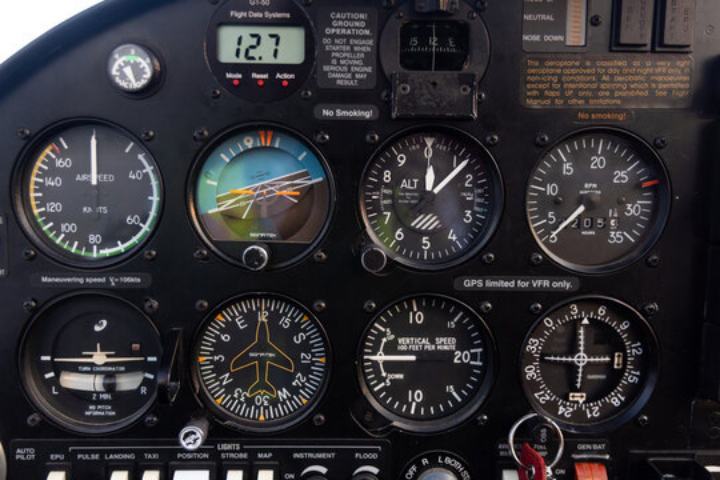
1. What Is Ground School?
Ground school is the academic portion of flight training where aspiring pilots learn the theoretical knowledge required to fly an aircraft safely and in compliance with aviation regulations. It prepares students for the written knowledge test mandated by aviation authorities like the FAA (Federal Aviation Administration) in the U.S., EASA (European Union Aviation Safety Agency) in Europe, DGCA (India), and others around the world.
The knowledge gained in ground school is fundamental to understanding flight principles, decision-making processes, and safety protocols that are applied in actual flight training.
2. Purpose of Ground School
The primary goals of ground school are to:
- Teach aeronautical knowledge: including physics of flight, weather, and navigation.
- Prepare students for the written exams: required for obtaining pilot licenses.
- Equip pilots with decision-making tools: for both routine and emergency situations.
- Familiarize students with aviation law and procedures: national and international.
Ground school is mandatory for every pilot certification level, from beginner to airline captain.


3. Topics Covered in Ground School
The subjects covered in ground school vary by the type of license (PPL, CPL, ATPL), but typically include:
1. Principles of Flight
- How aircraft generate lift
- Aerodynamics of fixed-wing aircraft
- Aircraft stability and control
2. Meteorology
- Weather systems and patterns
- Reading METARs and TAFs (aviation weather reports)
- Impact of weather on flight safety
3. Air Law and Regulations
- National and international aviation laws
- Pilot responsibilities
- Airspace classifications and rules
4. Navigation
- Dead reckoning and pilotage
- Radio navigation (VOR, GPS)
- Chart reading and flight planning
5. Aircraft General Knowledge
- Aircraft systems (engines, fuel, hydraulics)
- Instruments and avionics
- Limitations and performance
6. Flight Planning and Performance
- Weight and balance
- Takeoff and landing calculations
- Fuel requirements
7. Operational Procedures
- Airport operations
- Communication protocols
- Emergency and abnormal situations
8. Human Factors
- Crew resource management (CRM)
- Fatigue and stress
- Situational awareness and decision-making
4. Types of Ground School Courses
1. Private Pilot Ground School (PPL)
- Entry-level training
- Basic aeronautics, regulations, and navigation
- Prepares students for the FAA/EASA/DGCA PPL written exam
2. Commercial Pilot Ground School (CPL)
- Builds on PPL knowledge
- Covers more complex topics: airspace structure, advanced meteorology, and performance
- Required for pilots seeking compensation for flying
3. Airline Transport Pilot Ground School (ATPL)
- Most advanced level of ground school
- Includes management of multi-crew operations
- Often modular with 14 EASA subject exams
4. Instrument Rating (IR) Ground School
- Focuses on instrument flight rules (IFR)
- Teaches how to fly in low visibility and without external references
5. Flight Instructor Ground School
- Prepares pilots to teach other students
- Emphasizes teaching techniques, regulations, and student management
5. Delivery Formats: Online vs. In-Person
Ground school is available in various formats to accommodate different learning styles and schedules:
1. In-Person Classroom Training
- Instructor-led in real-time
- Group discussions, visual aids, and immediate feedback
- Traditional method used by most aviation academies
2. Online Ground School
- Self-paced or scheduled live classes
- Accessible from anywhere
- Often includes video lessons, quizzes, and mock tests
3. Hybrid Learning
- Combines online theory with in-person workshops or instructor guidance
- Gaining popularity in flight schools worldwide
Comparison:
| Format | Pros | Cons |
|---|---|---|
| In-Person | Structured, interactive, hands-on | Less flexible, travel required |
| Online | Flexible, often cheaper, self-paced | Requires motivation, no physical interaction |
| Hybrid | Balanced approach, flexible + interactive | May require more coordination |
6. Duration of Ground School
The time it takes to complete ground school depends on the course type and format:
| License Type | In-Person Duration | Online Duration |
|---|---|---|
| PPL | 4–8 weeks | 20–40 hours self-paced |
| CPL | 3–6 months | 150–300 hours |
| ATPL | 6–12 months | 500–800 hours |
| IR | 2–6 weeks | 40–100 hours |
| CFI | 2–4 weeks | 40–80 hours |
For part-time students, ground school can be spread over several months. Many students prefer to study theory alongside flight lessons to apply knowledge immediately.
7. Costs of Ground School
Ground school is generally more affordable than flight training. Costs vary by region, school reputation, course content, and format.
| Course Type | In-Person Cost (USD) | Online Cost (USD) |
|---|---|---|
| PPL | $500 – $1,500 | $200 – $500 |
| CPL | $1,000 – $4,000 | $500 – $2,000 |
| ATPL | $4,000 – $10,000 | $2,000 – $6,000 |
| IR | $500 – $1,000 | $200 – $800 |
| CFI | $500 – $1,500 | $300 – $900 |
Some flight schools bundle ground school costs with flight packages. Online providers like Sporty’s, King Schools, Gleim, and AviationExam offer cost-effective solutions with lifetime access.
8. Exams and Certification
At the end of ground school, students must pass a knowledge test or theoretical examination to move forward in their pilot training.
1. PPL Knowledge Test (USA)
- 60 multiple-choice questions
- Covers FAA regulations, navigation, weather, and more
- Passing score: 70%
2. EASA ATPL Exams
- 14 subject exams (e.g., Air Law, General Navigation, Meteorology)
- Each exam requires a separate pass
3. DGCA Exams (India)
- Multiple exams per license level (e.g., Navigation, Technical General, Air Regulations)
- Administered by DGCA-approved testing centers
Certification from ground school (or a certificate of completion) is often required to register for these exams.
9. Recommended Ground School Providers
Some of the top-rated ground school providers include:
United States
- Sporty’s Pilot Shop
- King Schools
- Gleim Aviation
- Pilot Institute
- Aviation Seminars
Europe
- Bristol Ground School (UK)
- CAE Oxford Aviation Academy
- Padpilot (EASA content)
- AviationExam.com
India and Asia
- Capt Sahil Khurana Aviation Academy
- Indira Gandhi Institute of Aeronautics
- Redbird Aviation (online hybrid programs)
Always ensure the course aligns with your local aviation authority’s syllabus.
10. Tips for Success in Ground School
1. Stay Consistent
Set a daily or weekly study schedule. Frequent review aids retention.
2. Take Practice Tests
Simulated exams help you familiarize with the format and identify weak areas.
3. Use Supplementary Resources
Watch YouTube tutorials, read FAA Handbooks, and use flashcards.
4. Join a Study Group
Discussing concepts with fellow students enhances understanding.
5. Ask Questions
If you’re unsure, ask instructors or join online pilot forums for clarification.
11. Ground School as a Career Gateway
Ground school isn’t just about passing exams—it shapes your thinking as a pilot. A strong theoretical base allows you to:
- Make safer decisions in flight
- Communicate effectively with ATC
- Navigate complex airspace and systems
- Progress more efficiently in flight training
For many, ground school is also the first real taste of aviation, providing a deeper appreciation for the responsibilities and challenges of a pilot.
Conclusion
Ground school is an essential component of pilot training, offering the theoretical foundation necessary to operate aircraft safely and confidently. Whether you aim to fly recreationally or pursue a professional pilot career, ground school will be your first structured step in aviation education.

Through in-depth study of subjects like air law, meteorology, navigation, and aircraft systems, you’ll gain the knowledge required not only to pass exams but also to become a safe, competent, and responsible aviator.

Thanks to modern technology, ground school is now more accessible than ever—offered online, in-person, or through hybrid models. With the right study habits and a quality course, you’ll be well-prepared to take flight, both intellectually and literally.
Would you like this article formatted into a PDF, converted into a blog post, or tailored for a specific aviation authority (e.g., FAA, EASA, DGCA)?
CLICK 👉 download 300 aviation books just 1 MB
CLICK 👉 AIRBUS A320 COURSE
CLICK 👉 BOEING 737 PILOT COURSE
CLICK 👉 BOEING 747 PILOT COURSE
CLICK 👉 BOEING 757 PILOT COURSE
CLICK 👉 BOEING 767 PILOT COURSE
CLICK 👉 BOEING 777 PILOT COURSE
CLICK 👉 BOEING 787 PILOT COURSE
CLICK 👉 CESSNA 150 PILOT COURSE
CLICK 👉 CESSNA 152 COURSE
CLICK 👉 CESSNA 162 SKYCATCHER COURSE
CLICK 👉 CESSNA 172N SKYHAWK
CLICK 👉 CESSNA 172S COURSE
CLICK 👉 CESSNA 182T SKYLANE
CLICK 👉 ROBINSON R22 COURSE
CLICK 👉 ROBINSON R44 RAVEN II
CLICK 👉 PIPER ARCHER III PA-28-181 FULL COURSE
Click 👉 Online pilot training course