
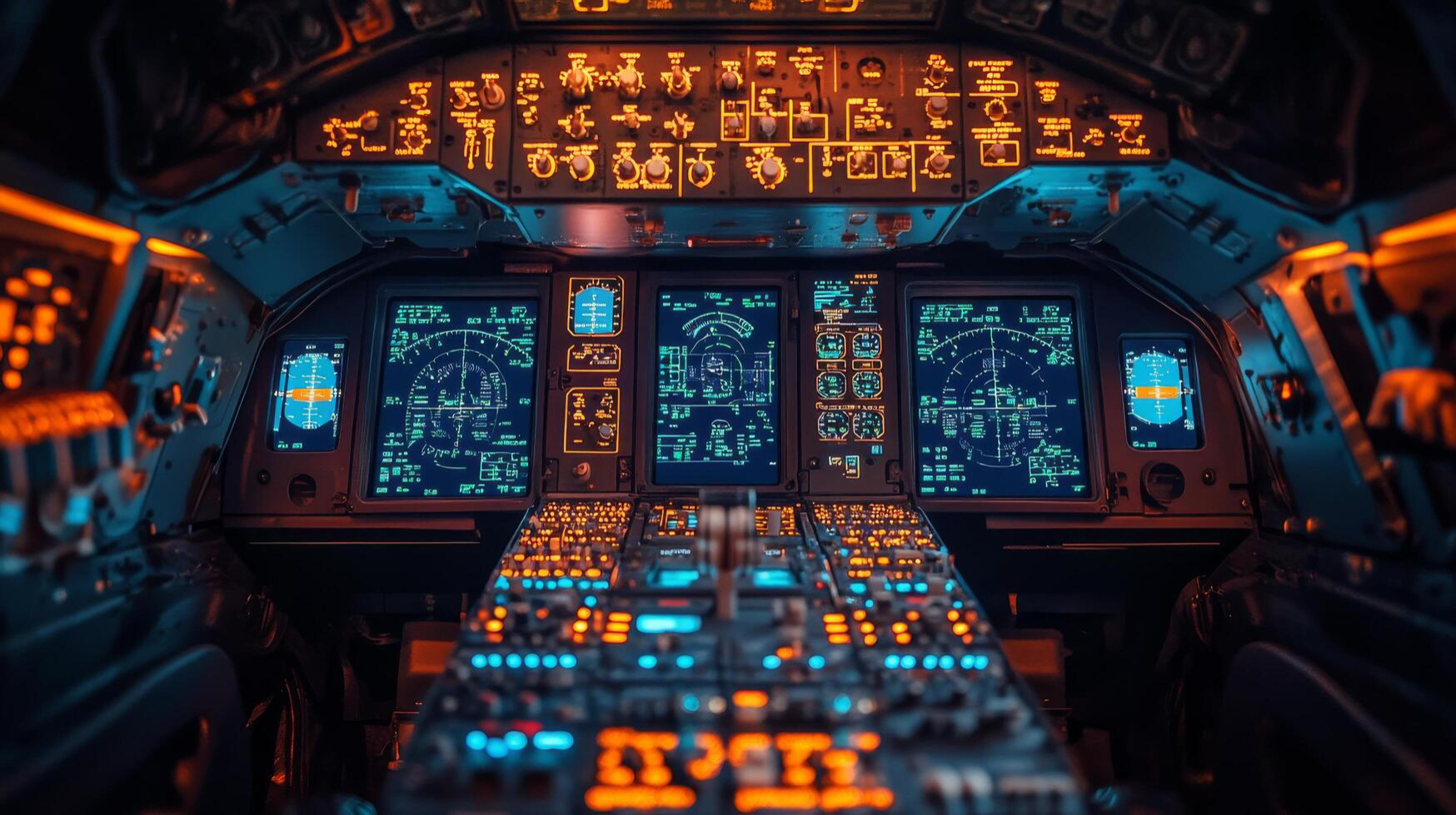
FAA Pilot License structure, covering all major certificates, training stages, eligibility, costs, and career pathways:
FAA Pilot License – A Complete Guide to Certification Under the Federal Aviation Administration
The Federal Aviation Administration (FAA) is the governing body for civil aviation in the United States. Pilots seeking to fly in the U.S. airspace or under FAA jurisdiction must obtain an FAA-issued pilot certificate. Whether you’re an aspiring airline pilot, a recreational flyer, or a future flight instructor, the FAA pilot licensing pathway offers a structured and internationally respected approach to aviation training.
This guide provides a detailed overview of all the major FAA pilot certificates, the training process, eligibility, costs, and how each license fits into a pilot’s career journey.


1. Overview of FAA Pilot License System
The FAA issues several types of pilot certificates, often referred to as “licenses” in general language. The major certificates in order of progression are:
- Student Pilot Certificate
- Private Pilot Certificate (PPL)
- Instrument Rating (IR)
- Commercial Pilot Certificate (CPL)
- Certified Flight Instructor (CFI)
- Multi-Engine Rating (MER)
- Airline Transport Pilot Certificate (ATPL)
Each step builds upon the previous one, allowing a pilot to gain more privileges, responsibilities, and flight capabilities.
2. Student Pilot Certificate
The Student Pilot Certificate is the first step for anyone beginning flight training.
Key Features:
- Issued by the FAA through an authorized flight instructor and Integrated Airman Certification and Rating Application (IACRA)
- No written test is required to receive it
- Enables solo flight under an instructor’s supervision
Eligibility:
- Must be at least 16 years old (14 for gliders or balloons)
- Be able to read, write, and speak English
- Pass an FAA Class 3 Medical Exam
Limitations:
- Cannot carry passengers
- Cannot fly for compensation or hire
- Must operate under specific instructor-approved limitations
3. Private Pilot License (PPL)
The Private Pilot Certificate is the most common license and allows pilots to fly solo or carry passengers for non-commercial purposes.
Key Privileges:
- Fly single-engine aircraft in VFR (visual flight rules) conditions
- Carry passengers (not for hire)
- Travel cross-country, day or night
Requirements:
- Minimum 17 years of age
- Valid FAA Medical Certificate (Class 3 or higher)
- Minimum 40 flight hours, including:
- 20 hours of dual instruction
- 10 hours of solo flight time
- Cross-country and night flight experience
Written Exam:
- 60 multiple-choice questions
- Covers aerodynamics, airspace, navigation, weather, regulations, and more
Checkride:
- Conducted by a Designated Pilot Examiner (DPE)
- Includes oral questioning and practical flight test
Cost Estimate:
- $10,000 to $15,000 (varies by region and aircraft rental rates)
4. Instrument Rating (IR)
The Instrument Rating allows pilots to fly in IMC (Instrument Meteorological Conditions) using flight instruments alone.
Key Benefits:
- Increases flight safety
- Allows flying through clouds, fog, and low visibility
- Required for airline or corporate flying
Requirements:
- Hold a Private Pilot Certificate
- Minimum 50 hours cross-country PIC
- 40 hours of instrument flight training, including:
- Simulated or actual instrument conditions
- Cross-country and approach procedures
Exam and Checkride:
- Written knowledge test (60 questions)
- Oral exam and flight test under instrument conditions
Cost:
- $8,000 to $12,000
5. Commercial Pilot License (CPL)
The Commercial Pilot Certificate allows a pilot to be paid for flying services.
Privileges:
- Paid flying jobs: charter, banner towing, aerial photography, cargo, etc.
- Act as Second-in-Command in commercial operations
Eligibility:
- Minimum 18 years old
- Class 2 Medical Certificate
- Hold a PPL and IR
- Total flight time: 250 hours, including:
- 100 hours as Pilot-in-Command (PIC)
- 50 hours cross-country
- 10 hours instrument training
- 10 hours in a complex aircraft or equivalent
Training Includes:
- Advanced maneuvers
- Emergency procedures
- Flight planning and weight/balance
Checkride:
- Oral questioning and practical flight test
- Emphasizes professionalism and precision
Cost:
- $25,000 to $35,000 (includes IR and multi-engine time if bundled)
6. Multi-Engine Rating (MER)
This add-on rating is essential for those aiming to fly twin-engine or turbine aircraft.
Key Training Areas:
- Asymmetric thrust handling
- Engine-out procedures
- Emergency scenarios
- Systems management
Requirements:
- Typically added to CPL or IR
- No specific FAA flight hour minimums, but most schools require 10–15 hours of flight training
Checkride:
- Focuses on single-engine performance in a multi-engine aircraft
Cost:
- $3,000 to $8,000
7. Certified Flight Instructor (CFI)
Becoming a CFI is a common way for commercial pilots to build hours toward the ATP minimum while earning an income.
Benefits:
- Teaches others to fly
- Builds flight experience quickly
- Helps prepare for airline jobs
Requirements:
- Hold a Commercial Certificate
- Pass two written exams:
- FOI (Fundamentals of Instruction)
- FIA (Flight Instructor Airplane)
- Demonstrate teaching and flying proficiency in a checkride
Additional Ratings:
- CFII: Certified Flight Instructor Instrument
- MEI: Multi-Engine Instructor
Cost:
- $5,000 to $10,000
8. Airline Transport Pilot License (ATPL)
The ATP Certificate is the highest license issued by the FAA and is mandatory for airline captains and co-pilots in Part 121 (airline) operations.
Privileges:
- Act as Pilot-in-Command (Captain) of scheduled airliners
- Required for multi-crew airline operations
Requirements:
- Minimum 23 years old
- Hold a Commercial Pilot Certificate + IR
- Total 1500 hours of flight time, including:
- 500 hours cross-country
- 100 hours night
- 75 hours instrument
- 250 hours as PIC
- Pass ATP Written Exam (ATP-CTP)
- Attend ATP-CTP (Certification Training Program) before written exam
ATP-CTP Program:
- Includes 30 hours of ground school and 10 hours of simulator training
- Required before taking the ATP knowledge test
Checkride:
- Typically conducted in a full-motion simulator
- Based on airline operational scenarios
Cost:
- $5,000 to $8,000 for ATP-CTP + exam (not including total flight time)
9. FAA Medical Certificates
Medical fitness is critical for pilot certification. FAA offers three classes:
| Class | Required For | Validity (Under 40 / Over 40) |
|---|---|---|
| Class 1 | ATP | 12 months / 6 months |
| Class 2 | CPL | 12 months |
| Class 3 | PPL | 60 months / 24 months |
Medical exams include vision, hearing, cardiovascular, and general physical and psychological evaluations.
10. Pathway Summary (From Student to ATP)
| Step | License | Min Age | Flight Time |
|---|---|---|---|
| 1 | Student Pilot | 16 | 0 |
| 2 | Private Pilot (PPL) | 17 | 40 hrs |
| 3 | Instrument Rating | – | 40-50 hrs |
| 4 | Commercial Pilot (CPL) | 18 | 250 hrs |
| 5 | Multi-Engine / CFI | – | 10-15 hrs (MER) |
| 6 | Airline Transport Pilot (ATPL) | 23 | 1500 hrs |
11. Flight Training Schools (Part 61 vs Part 141)
FAA approves flight schools under two main regulatory parts:
Part 61:
- More flexible
- Ideal for part-time or modular students
- Requires 250 hours for CPL
Part 141:
- Structured and accelerated
- Ideal for full-time students
- Requires only 190 hours for CPL
- Schools often include collegiate programs
Popular FAA-accredited schools include:
- ATP Flight School
- Embry-Riddle Aeronautical University
- CAE USA
- Purdue University Aviation
- FlightSafety Academy
12. International Students and License Conversion
International pilots can train in the U.S. under an M-1 visa and obtain FAA certification. They can later:
- Convert their license to EASA, DGCA, or other authorities
- Return to their home country and apply for a conversion check
- Use FAA flight experience toward ICAO-compliant licenses
13. Costs Overview (Approximate)
| License/Rating | Cost (USD) |
|---|---|
| Student to PPL | $10,000–$15,000 |
| IR | $8,000–$12,000 |
| CPL | $25,000–$35,000 |
| MER | $3,000–$8,000 |
| CFI | $5,000–$10,000 |
| ATP-CTP + ATP | $5,000–$8,000 |
| Total Pathway | $60,000–$100,000+ |
Costs vary based on location, school type, aircraft, and training pace.
14. FAA License Recognition
- ICAO-Compliant: FAA licenses are widely accepted internationally
- Can be converted to other authorities (EASA, DGCA, CASA, etc.)
- Often preferred by flight schools and airlines due to the FAA’s rigorous standards
15. Career Opportunities
With FAA certification, pilots can pursue roles including:
- Charter or Corporate Pilot
- Regional Airline First Officer
- Flight Instructor
- Cargo Pilot
- Major Airline Captain
- Aerial Survey or Banner Tow Pilot
As global pilot demand rises, especially in the Asia-Pacific and Middle East regions, FAA-certified pilots are highly employable.
Conclusion
The FAA pilot license system is one of the most respected and structured aviation certification processes in the world. It caters to aspiring aviators from basic private flying to commanding commercial airliners. With clearly defined stages, thorough training standards, and wide international recognition, an FAA certificate can be the launchpad to a dynamic and rewarding aviation career.

Whether you’re beginning as a student pilot or pursuing your Airline Transport Pilot Certificate, the FAA pathway offers flexibility, global credibility, and world-class training options.
Would you like this formatted as a brochure, presentation, or downloadable PDF? I can also customize it for a specific audience or training program.
CLICK 👉 download 300 aviation books just 1 MB
CLICK 👉 AIRBUS A320 COURSE
CLICK 👉 BOEING 737 PILOT COURSE
CLICK 👉 BOEING 747 PILOT COURSE
CLICK 👉 BOEING 757 PILOT COURSE
CLICK 👉 BOEING 767 PILOT COURSE
CLICK 👉 BOEING 777 PILOT COURSE
CLICK 👉 BOEING 787 PILOT COURSE
CLICK 👉 CESSNA 150 PILOT COURSE
CLICK 👉 CESSNA 152 COURSE
CLICK 👉 CESSNA 162 SKYCATCHER COURSE
CLICK 👉 CESSNA 172N SKYHAWK
CLICK 👉 CESSNA 172S COURSE
CLICK 👉 CESSNA 182T SKYLANE
CLICK 👉 ROBINSON R22 COURSE
CLICK 👉 ROBINSON R44 RAVEN II
CLICK 👉 PIPER ARCHER III PA-28-181 FULL COURSE
Click 👉 Online pilot training course