
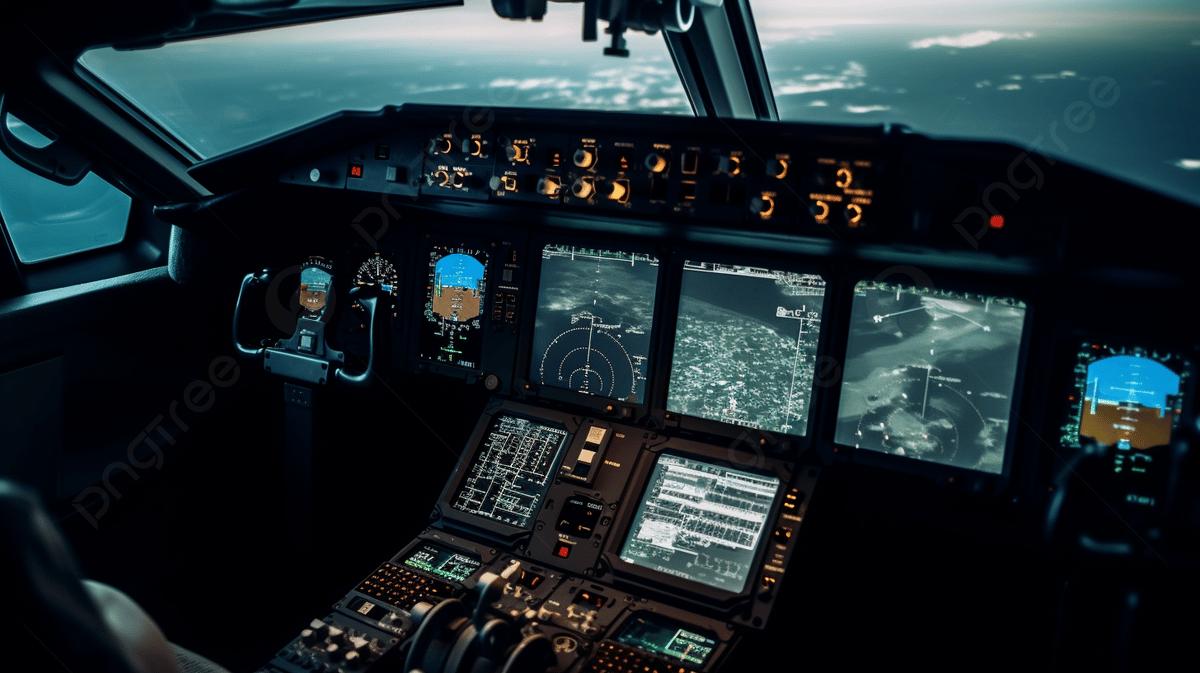
CPL Duration: Understanding the Timeline to Becoming a Commercial Pilot”, covering everything about how long it takes to earn a Commercial Pilot License (CPL)—including course structure, influencing factors, global variations, and timelines.
CPL Duration: Understanding the Timeline to Becoming a Commercial Pilot
Introduction
A Commercial Pilot License (CPL) is a pivotal milestone for anyone aiming to pursue aviation professionally. Whether your goal is to fly charter operations, cargo flights, or eventually become a commercial airline captain, obtaining a CPL is a non-negotiable step in your journey. One of the most commonly asked questions by aspiring pilots is: “How long does it take to get a CPL?”
The duration to complete CPL training can vary significantly depending on several factors—such as training structure, regulatory authority, weather conditions, availability of aircraft, and the candidate’s own dedication. While the average time frame is 12 to 18 months, many accelerated programs can condense the process into 6 to 10 months, particularly in countries with favorable conditions.


This article provides a deep-dive look into the duration of CPL training, what affects it, and what to expect at each stage.
1. What Is a Commercial Pilot License (CPL)?
A Commercial Pilot License (CPL) allows a pilot to operate an aircraft for compensation or hire. It is a step beyond the Private Pilot License (PPL) and a prerequisite for higher certifications such as the Airline Transport Pilot License (ATPL).
CPL Privileges Include:
- Flying passengers or cargo for remuneration
- Working as a flight instructor (with additional ratings)
- Towing gliders, conducting survey flights, or banner towing
- Qualifying for regional airline jobs (with sufficient experience)
2. Typical Duration of CPL Programs
A. Full-Time CPL Program (Integrated Course)
- Duration: 6 to 12 months
- Structure: A structured syllabus where ground school and flight training are integrated into one course.
- Daily Schedule: 5–6 days a week of classes and flights.
This is the fastest way to earn a CPL, especially in regions like:
- USA (FAA Part 141)
- South Africa
- Australia
- Philippines
- India (DGCA-approved integrated academies)
B. Modular CPL Program
- Duration: 12 to 24 months (flexible)
- Structure: Students complete one module at a time—starting from PPL, then hour building, and finally CPL.
- Best for: Part-time students, working professionals, or those on a budget.
Modular training is more flexible but takes longer, especially if the student can’t fly or study daily.


3. Key Components That Determine CPL Duration
**1. Flight Hours Requirement
- USA (FAA): 250 hours total flight time
- India (DGCA): 200 hours minimum
- Europe (EASA): Varies, often within integrated training
- Canada (TC): 200 hours
How quickly you accumulate these hours depends on:
- Weather
- Aircraft availability
- Student’s physical availability
2. Ground School
Typically lasts 3 to 6 months if done full-time. Covers:
- Aviation law
- Meteorology
- Aircraft systems
- Navigation
- Human factors
You must pass theory exams in all subjects before appearing for the final check ride.
3. Hour Building (if required)
Most modular students must build time between PPL and CPL:
- This can take 3 to 9 months
- Includes solo cross-country flights
- Accelerated programs can compress this to 2–3 months with daily flying
4. Weather Conditions
Countries with year-round good weather (like South Africa, Australia, or the USA’s southern states) allow for faster hour building and uninterrupted training.
Bad weather can delay:
- Solo flights
- Cross-country navigation
- Night flying
5. Student Commitment
CPL training is highly intensive. Students who train full-time (daily ground school + flying) complete the course significantly faster than those training part-time.
4. Timeline Breakdown by Phase
Here’s an example of how a typical full-time CPL training program is structured over 6 to 12 months:
| Phase | Duration | Description |
|---|---|---|
| Ground School | 2–4 months | Classroom-based theory learning |
| Private Pilot License | 2–3 months | Basic flying training (40–60 hrs) |
| Hour Building | 3–6 months | Solo cross-country, night flying, advanced maneuvers |
| CPL Flight Training | 1–3 months | Advanced flying, complex aircraft, instrument procedures |
| Skill Tests & Exams | 1 month | Final checks, flight test, documentation |
Note: In integrated programs, these stages often overlap for efficiency.
5. Country-Specific CPL Duration
United States (FAA)
- Average Duration: 8–12 months
- Fastest: 6 months (accelerated Part 141 schools)
- Advantage: High aircraft availability, flexible hours
India (DGCA)
- Average Duration: 12–18 months
- Fastest: 9–10 months (ideal weather + school availability)
- Challenge: Bureaucracy and weather can cause delays
Canada (Transport Canada)
- Average Duration: 12–14 months
- Fastest: 8 months
- Challenge: Winter flying restrictions
Europe (EASA)
- Average Duration: 14–24 months (modular), 12–18 months (integrated)
- Fastest: 10 months (intensive integrated)
- Challenge: High cost, strict theory exams
Australia (CASA)
- Average Duration: 9–12 months
- Fastest: 6 months (integrated course in ideal weather)
- Advantage: High-quality training, English-speaking environment
6. Additional Ratings That May Affect Duration
CPL alone may not make a pilot job-ready. Additional ratings often extend the timeline.
a. Instrument Rating (IR)
- Adds 2–3 months
- Required by most employers
- Often included in integrated programs
b. Multi-Engine Rating (ME)
- Adds 1–2 weeks
- Required for flying twin-engine aircraft
c. Flight Instructor Rating (FI)
- Adds 2 months
- Helps earn money while building hours
Some schools combine these with CPL, increasing the overall duration by 1–4 months.
7. Fast-Track CPL Training: Is It Realistic?
Yes, but it requires:
- Full-time commitment (5–6 days/week)
- Good weather
- No medical or exam delays
- A school with a large fleet and instructor pool
Fastest Achievable Time: 6 months
Realistic Target: 8–12 months
Part-Time Program: 14–24 months
8. Challenges That May Extend Training Time
a. Weather Delays
Especially common in Europe, Canada, and parts of India during monsoon or winter seasons.
b. Aircraft Maintenance Delays
Schools with a small fleet may cause rescheduling when aircraft are grounded for inspection or repair.
c. Theory Exam Failures
Failing any ground school exam requires a retake, possibly delaying progress.
d. Visa or Immigration Delays
International students may face administrative delays related to visa processing.
e. Personal Interruptions
Health issues, family emergencies, or financial constraints can pause training.
9. Tips to Complete CPL Faster
- Choose a high-reputation flight school with multiple aircraft and instructors.
- Fly daily: Target at least 4–6 flight hours per week.
- Finish ground school first so you can focus on flying.
- Study efficiently: Use online tools, apps, and group discussions.
- Minimize distractions: Relocate near the training base.
- Maintain health: Fatigue, sickness, or poor eyesight can delay training.
10. What Happens After You Get Your CPL?
Once you have your CPL:
- Apply for airline cadet programs or charter jobs
- Start working as a flight instructor (if certified)
- Build hours to meet ATPL (typically 1,500 hrs in USA)
- Add ratings (instrument, multi-engine, type)
Remember: A CPL is the foundation. Many pilots spend 1–3 years building experience before flying jets for major carriers.
Conclusion
Earning a Commercial Pilot License (CPL) is a life-changing achievement that can open doors to a rewarding and dynamic career in aviation. The duration of CPL training typically ranges from 6 to 24 months, depending on the training structure, location, student availability, and course intensity.

If you’re seeking the fastest route, full-time integrated programs in countries with favorable weather can help you earn your CPL in as little as 6 to 10 months. However, if you’re balancing work, budget, or other constraints, a modular program with a longer timeline might suit you better.

Regardless of the duration, what matters most is quality training, safety, and solid foundational skills. With proper planning, commitment, and the right flight school, your dream of becoming a commercial pilot is well within reach.
CLICK 👉 download 300 aviation books just 1 MB
CLICK 👉 AIRBUS A320 COURSE
CLICK 👉 BOEING 737 PILOT COURSE
CLICK 👉 BOEING 747 PILOT COURSE
CLICK 👉 BOEING 757 PILOT COURSE
CLICK 👉 BOEING 767 PILOT COURSE
CLICK 👉 BOEING 777 PILOT COURSE
CLICK 👉 BOEING 787 PILOT COURSE
CLICK 👉 CESSNA 150 PILOT COURSE
CLICK 👉 CESSNA 152 COURSE
CLICK 👉 CESSNA 162 SKYCATCHER COURSE
CLICK 👉 CESSNA 172N SKYHAWK
CLICK 👉 CESSNA 172S COURSE
CLICK 👉 CESSNA 182T SKYLANE
CLICK 👉 ROBINSON R22 COURSE
CLICK 👉 ROBINSON R44 RAVEN II
CLICK 👉 PIPER ARCHER III PA-28-181 FULL COURSE
Click 👉 Online pilot training course