
Commercial Pilot License (CPL) course—covering everything from prerequisites and training structure to career outcomes:
Commercial Pilot License (CPL) Course – A Complete Guide
A Commercial Pilot License (CPL) is a professional qualification that allows an individual to act as a pilot of an aircraft and be paid for their work. It is a crucial step for those aspiring to make a career in aviation. Whether you aim to become an airline pilot, charter pilot, cargo pilot, or flight instructor, a CPL is the gateway to the commercial aviation industry.
This guide provides a detailed overview of the CPL course, including its structure, requirements, curriculum, training stages, costs, and career opportunities after completion.
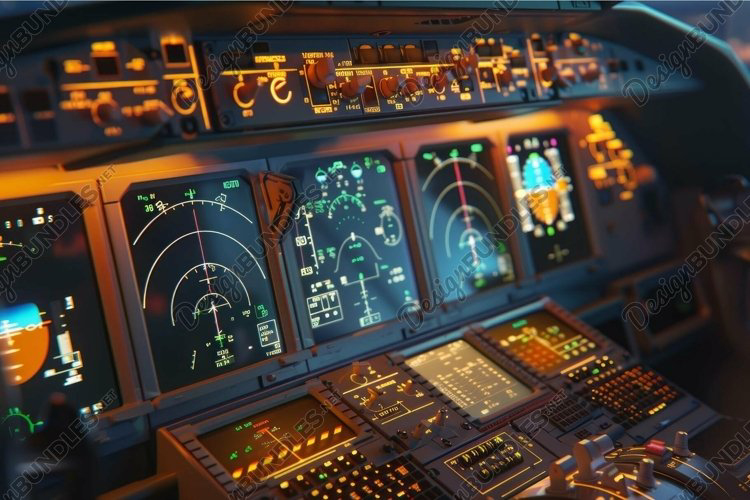
1. Introduction to Commercial Pilot License (CPL)
The CPL course is designed to develop the knowledge, skills, and experience necessary for a candidate to operate as a commercial pilot under the regulatory authority of the country where the license is issued. A CPL holder can fly for hire and reward, making it a professional qualification.
The training combines theoretical classroom instruction and hands-on flight training, culminating in a check ride with an examiner. Depending on the country, the requirements and standards may slightly vary, but the core elements are generally similar worldwide.
2. Eligibility Criteria
Before enrolling in a CPL program, candidates must meet certain eligibility requirements, which may vary slightly by country but generally include the following:
a. Age
- Minimum age: 18 years
- Some flight schools may allow students to start earlier, but the license is only issued at 18 or older.
b. Educational Qualification
- Minimum of 10+2 (High School) with Physics and Mathematics.
- Equivalency certificates may be required if education is from a different board or international system.
c. Medical Fitness
- Must hold a valid Class 1 Medical Certificate issued by an aviation medical examiner (AME).
- This exam includes tests for vision, hearing, cardiovascular fitness, and general health to ensure the candidate is fit to fly commercially.
3. CPL Course Structure
A CPL training course typically comprises two main components:
- Ground School (Theoretical Knowledge)
- Flight Training (Practical Skills)
These components are integrated throughout the course and ensure that pilots not only understand flight principles but can apply them practically in real-world situations.
Ground School Curriculum
The theoretical portion of the CPL course involves comprehensive classroom or online instruction on aviation knowledge areas. The subjects covered typically include:
- Air Navigation
- Meteorology
- Air Regulations
- Aircraft General Knowledge
- Flight Performance and Planning
- Human Performance and Limitations
- Radio Telephony
- Operational Procedures
- Principles of Flight
Each subject is vital to developing a deep understanding of aviation theory, safety procedures, and operational best practices.
Duration
- Usually lasts 3 to 6 months, depending on the school and learning pace.
- Ends with written examinations, which must be passed to proceed to advanced stages.
Flight Training Curriculum
The flight training phase is where students learn to operate an aircraft under the guidance of certified instructors. Training is done on single-engine and multi-engine aircraft, progressing from basic maneuvers to complex flight operations.
Key Flight Training Elements:
- Initial Training: Basic aircraft handling, takeoff and landing, taxiing, and emergency procedures.
- Cross-Country Flying: Long-distance flights to different airports, involving navigation and flight planning.
- Night Flying: At least 5 to 10 hours of flying in nighttime conditions.
- Instrument Flying: Simulated and actual flight using aircraft instruments (typically 10-20 hours).
- Multi-Engine Training: Advanced training on twin-engine aircraft, focusing on engine-out procedures and advanced aerodynamics.
Flight Hour Requirement
- Minimum 200 hours of total flight time (varies slightly by country):
- 100 hours as Pilot-in-Command (PIC)
- 20 hours of cross-country flying
- 10 hours of instrument instruction
- 5 hours of night flying
4. Types of Aircraft Used
The aircraft used in CPL training typically include basic single-engine trainers and advanced multi-engine trainers.
Common Aircraft for Training:
- Single-Engine: Cessna 152, Cessna 172, Piper Warrior
- Multi-Engine: Piper Seneca, Diamond DA42, Beechcraft Baron
Simulators are also widely used to replicate instrument conditions and emergency scenarios.
5. Examination and Licensing
To obtain a CPL, candidates must pass:
a. Written Exams
Conducted by the country’s aviation authority (e.g., DGCA in India, FAA in the USA, EASA in Europe). These exams cover all ground school subjects.
b. Skill Test (Check Ride)
A practical flight test conducted by a certified examiner that evaluates the student’s flight skills, handling of emergency situations, and adherence to procedures.
c. Radio Telephony Exam
Ensures the pilot can communicate effectively with air traffic control using standard aviation phraseology.
6. Duration of the CPL Course
The time required to complete the CPL course depends on various factors such as weather, student availability, and flight school resources.
Average Duration:
- Full-time students: 12 to 18 months
- Part-time students: 18 to 24 months
Some integrated programs offer accelerated pathways, enabling students to finish in as little as 10 months.
7. CPL Course Fees
The cost of CPL training varies significantly by location, school, and aircraft type. On average:
Estimated CPL Costs:
- India: INR 35 to 50 Lakhs
- USA: USD 60,000 to 90,000
- Europe (EASA): EUR 70,000 to 100,000
- Australia/Canada: AUD 80,000 to 100,000
These fees typically include ground school, flight hours, study materials, medical exams, and licensing charges.
8. Integrated vs Modular CPL Programs
a. Integrated CPL Program
- A full-time structured course where students join with no previous experience and complete all training in one place.
- Typically includes Private Pilot License (PPL), instrument rating, and CPL.
b. Modular CPL Program
- Allows students to complete training in parts or modules, often after obtaining a PPL.
- More flexible and can be cost-effective.
9. CPL with Type Rating
A Type Rating is a certification to fly a specific type of aircraft (e.g., Airbus A320, Boeing 737).
Some CPL programs offer integrated CPL with Type Rating, which prepares students to apply directly to airlines.
Benefits:
- Better job prospects
- Airline readiness
- Smooth transition from training to employment
However, it comes with additional costs and requires successful completion of CPL beforehand.
10. Career Opportunities After CPL
Once a CPL is obtained, pilots can explore several professional roles:
a. Airline Pilot (After Type Rating and ATPL)
Most CPL holders aspire to become Airline First Officers, eventually upgrading to Captains after gaining hours and passing the Airline Transport Pilot License (ATPL) exams.
b. Charter Pilot
Flying private or charter aircraft for companies or VIP clients.
c. Cargo Pilot
Flying cargo aircraft domestically or internationally.
d. Flight Instructor
Many fresh CPL holders become Certified Flight Instructors (CFIs) to build hours and earn while gaining experience.
e. Aerial Work Pilot
Involves flying for aerial surveys, photography, agriculture, or banner towing.
11. Skills and Attributes Required
A successful CPL candidate needs more than just technical knowledge. Key attributes include:
- Discipline and focus
- Quick decision-making
- Strong communication skills
- Leadership and teamwork
- Situational awareness
- Adaptability to changing conditions
12. Regulatory Authorities and Licenses
Each country has a regulatory body responsible for issuing CPLs:
- USA: Federal Aviation Administration (FAA)
- India: Directorate General of Civil Aviation (DGCA)
- Europe: European Union Aviation Safety Agency (EASA)
- Canada: Transport Canada (TC)
- Australia: Civil Aviation Safety Authority (CASA)
Licenses issued by these authorities are often recognized internationally but may require conversion if the pilot wishes to fly in a different jurisdiction.

13. CPL Conversion
If you hold a CPL from one country and wish to work in another, you may need to convert your license by:
- Passing written exams of the local authority
- Validating flight hours and training standards
- Undergoing a skill test or simulator assessment
Example: A pilot with an FAA CPL converting to an EASA CPL must clear theoretical papers and practical assessments as per EASA norms.
14. Conclusion
A Commercial Pilot License is the stepping stone to a rewarding career in aviation. The course is demanding—both financially and academically—but it leads to exciting job opportunities, travel, and personal growth. Whether you’re flying passengers across continents or training the next generation of pilots, a CPL is the foundation for a dynamic profession in the skies.

As global aviation demand continues to grow, the need for well-trained, professional pilots remains strong. With the right training, dedication, and perseverance, earning a CPL can be your ticket to soaring success in the aviation world.
CLICK 👉 download 300 aviation books just 1 MB
CLICK 👉 AIRBUS A320 COURSE
CLICK 👉 BOEING 737 PILOT COURSE
CLICK 👉 BOEING 747 PILOT COURSE
CLICK 👉 BOEING 757 PILOT COURSE
CLICK 👉 BOEING 767 PILOT COURSE
CLICK 👉 BOEING 777 PILOT COURSE
CLICK 👉 BOEING 787 PILOT COURSE
CLICK 👉 CESSNA 150 PILOT COURSE
CLICK 👉 CESSNA 152 COURSE
CLICK 👉 CESSNA 162 SKYCATCHER COURSE
CLICK 👉 CESSNA 172N SKYHAWK
CLICK 👉 CESSNA 172S COURSE
CLICK 👉 CESSNA 182T SKYLANE
CLICK 👉 ROBINSON R22 COURSE
CLICK 👉 ROBINSON R44 RAVEN II
CLICK 👉 PIPER ARCHER III PA-28-181 FULL COURSE
Click 👉 Online pilot training course