
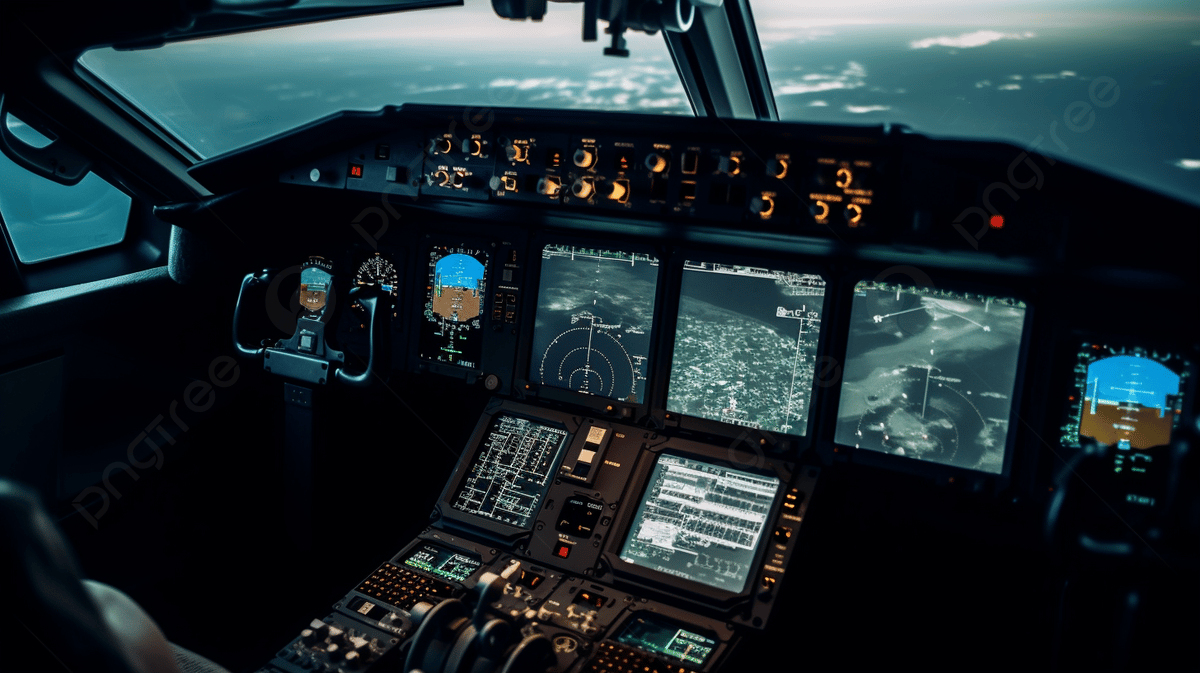
Cost of a Commercial Pilot License (CPL), including a breakdown of expenses, regional cost comparisons, influencing factors, and financial aid options:
The Cost of a Commercial Pilot License (CPL):
For aspiring pilots, obtaining a Commercial Pilot License (CPL) is a major step toward a career in aviation. However, flight training is a significant financial investment that requires careful planning. This guide will explore in detail the costs associated with earning a CPL, breaking down the expenses, comparing training costs across different countries, examining the factors that affect pricing, and discussing strategies to manage or reduce these costs.


1. Introduction to the CPL
A Commercial Pilot License allows a pilot to be legally paid for flying duties. Unlike a Private Pilot License (PPL), which is for recreational purposes, a CPL is required for jobs such as:
- Flight instructing
- Charter and corporate flying
- Agricultural aviation
- Banner towing
- Entry-level airline jobs (regional co-pilot or flight school trainer)
To qualify for a CPL, a candidate typically needs:
- A valid Class 1 Medical Certificate
- A PPL
- Ground school instruction
- A specified number of flight hours (usually around 200 total hours)
- Successful completion of written exams and flight tests
The cost of achieving this can vary widely depending on where and how you train.
2. Global CPL Cost Overview
United States (FAA)
- Typical Cost: $55,000–$80,000
- Breakdown:
- PPL: $12,000–$15,000
- Instrument Rating (IR): $10,000–$15,000
- Time-building: $10,000–$15,000
- CPL training: $15,000–$25,000
Canada (Transport Canada)
- Typical Cost: CAD 60,000–CAD 85,000 (~USD 44,000–USD 62,000)
- Notes: Students often complete a CPL with a multi-engine and IFR rating.
United Kingdom (EASA)
- Integrated ATPL (includes CPL): £70,000–£120,000 (~USD 90,000–USD 150,000)
- Modular CPL Pathway: £45,000–£60,000 (~USD 60,000–USD 80,000)
Australia
- Typical Cost: AUD 65,000–AUD 85,000 (~USD 43,000–USD 56,000)
- Certification Authority: CASA (Civil Aviation Safety Authority)
Philippines / India / South Africa / Eastern Europe (ICAO)
- Typical Cost: USD 30,000–USD 50,000
- Why Lower: Reduced aircraft rental, instructor salaries, and operational costs.


3. Cost Breakdown by Category
A. Ground School Training
- What it includes: Theory, regulations, navigation, meteorology, human factors, etc.
- Cost Range: $2,000–$5,000
- Delivery: Classroom or online
B. Flight Time and Aircraft Rental
- Biggest expense in CPL training
- Cost per hour:
- Cessna 152: $100–$150/hr (wet rate)
- Cessna 172: $140–$200/hr
- Twin-engine aircraft: $250–$400/hr
- Minimum flight hours: Usually 200 total hours
- Flight Time Cost: $30,000–$50,000, depending on aircraft used and hours logged
C. Instructor Fees
- Rate: $40–$100/hour
- Often included in flight hour costs, but sometimes charged separately
- Estimated Total: $2,000–$5,000
D. Simulator Training
- Cost per hour: $50–$100/hr
- Used for: IFR training and emergency procedures
- Estimated Total: $500–$2,000
E. Exams and Checkrides
- Written Exams: $150–$500 total
- Medical Exams:
- Class 1: $100–$300
- Checkride (Flight Test): $500–$1,000
F. Equipment and Supplies
- Includes: Headset, logbook, navigation charts, iPad (for EFB), books
- Total Estimated Cost: $500–$2,000
G. Miscellaneous Fees
- Application, ID cards, TSA clearance (for international students in the U.S.), uniforms, fuel surcharges
- Estimated Total: $500–$1,500
CLICK 👉 download 300 aviation books just 1 MB
CLICK 👉 AIRBUS A320 COURSE
CLICK 👉 BOEING 737 PILOT COURSE
CLICK 👉 BOEING 747 PILOT COURSE
CLICK 👉 BOEING 757 PILOT COURSE
CLICK 👉 BOEING 767 PILOT COURSE
CLICK 👉 BOEING 777 PILOT COURSE
CLICK 👉 BOEING 787 PILOT COURSE
CLICK 👉 CESSNA 150 PILOT COURSE
CLICK 👉 CESSNA 152 COURSE
CLICK 👉 CESSNA 162 SKYCATCHER COURSE
CLICK 👉 CESSNA 172N SKYHAWK
CLICK 👉 CESSNA 172S COURSE
CLICK 👉 CESSNA 182T SKYLANE
CLICK 👉 ROBINSON R22 COURSE
CLICK 👉 ROBINSON R44 RAVEN II
CLICK 👉 PIPER ARCHER III PA-28-181 FULL COURSE
Click 👉 Online pilot training course
4. Factors That Influence CPL Costs
1. Training Location
- Countries like India, the Philippines, and South Africa offer lower costs due to reduced operational expenses.
- Training in the U.S., Canada, or Europe is more expensive but may offer better job prospects in those regions.
2. Flight School Type
- Modular Program: Pay-as-you-go, cheaper but takes longer.
- Integrated Program: Fast-track, all-inclusive, expensive but structured.
3. Type of Aircraft
- Older models are cheaper to rent.
- Multi-engine aircraft are significantly more expensive.
4. Time-Building Requirements
- Some students require extra hours to meet minimum flight time, increasing the overall cost.
5. Currency Conversion
- International students may benefit or suffer from currency exchange rate fluctuations.
6. Weather and Airspace
- Locations with unpredictable weather or congested airspace can delay training, raising costs.
5. Sample Cost Estimate (Modular CPL Pathway – U.S.)
| Component | Hours | Rate | Cost (USD) |
|---|---|---|---|
| Private Pilot License (PPL) | 45 | $180/hr | $8,100 |
| Instrument Rating (IR) | 40 | $180/hr | $7,200 |
| Time Building | 100 | $150/hr | $15,000 |
| Commercial Flight Training | 55 | $200/hr | $11,000 |
| Ground School | – | – | $3,000 |
| Checkrides, Exams, Medicals | – | – | $1,500 |
| Equipment & Materials | – | – | $1,000 |
| Total Estimated Cost | – | – | $46,800 |
6. Financing and Cost-Reduction Options
A. Scholarships and Grants
- Organizations:
- AOPA (Aircraft Owners and Pilots Association)
- Women in Aviation International
- EAA (Experimental Aircraft Association)
- NGPA (National Gay Pilots Association)
- Airline or flight school foundations
B. Airline Cadet Programs
- Some airlines offer cadet sponsorship programs that reduce upfront training costs in return for employment agreements. Examples:
- Lufthansa Cadet Program (Germany)
- IndiGo Cadet Program (India)
- SkyWest Pilot Pathway Program (U.S.)
C. Loans and Financing
- Providers include:
- Sallie Mae, Stratus Financial, Meritize (U.S.)
- Flight Training Finance
- Personal loans or student lines of credit
D. Pay-As-You-Go Plans
- Modular programs allow students to spread out costs over several months or years.

7. CPL Cost vs. Return on Investment (ROI)
Career Outlook
- Airline pilot salaries vary by region, experience, and type of aircraft.
- In the U.S., first officers earn $40,000–$90,000 annually starting out, while captains may earn over $200,000.
- In developing countries, salaries may start around $15,000–$30,000.
Return on Investment
- While the cost of a CPL can be high, it typically pays off within a few years of working in the industry—especially in commercial airline or corporate flying.
8. Tips to Reduce CPL Costs
- Choose a location with good weather to minimize delays.
- Fly regularly to retain skills and avoid repeating lessons.
- Train with a partner for discounts on dual flights.
- Join a flying club to gain access to cheaper aircraft rental rates.
- Use online ground school programs like Pilot Institute or Sporty’s to save on classroom costs.
- Buy used gear like headsets and flight bags.
9. Conclusion
The journey to a Commercial Pilot License is both demanding and costly. Depending on your location, type of training, and personal efficiency, the total cost may range from $30,000 to over $100,000. However, with smart choices—like selecting a cost-effective training region, using modular pathways, applying for scholarships, and time-managing your training—you can significantly lower the financial burden.

Remember, earning a CPL isn’t just about passing tests. It’s about developing the skill, safety mindset, and professionalism required to operate an aircraft for compensation. The money you invest is not just spent—it’s invested in a lifelong career and a passion that few get to turn into a profession.