
Aviation Schools: Your Gateway to a Sky-High Career
Introduction
Aviation schools are specialized educational institutions that provide training and academic programs in various areas of the aviation industry. These schools serve as the launching pad for aspiring pilots, aircraft engineers, air traffic controllers, aviation managers, and cabin crew members. As the aviation industry continues to grow globally, the demand for trained professionals has surged, making aviation schools more vital than ever.
This comprehensive guide delves into the structure, programs, requirements, benefits, and future prospects offered by aviation schools. Whether you’re looking to become a commercial airline pilot or manage airport operations, understanding what aviation schools offer is essential to choosing the right path.


1. What Are Aviation Schools?
Aviation schools, also referred to as flight schools or aviation academies, are institutions that provide both academic and practical training for various roles in the aviation industry. They are either stand-alone institutions or part of larger universities and colleges.
There are two main types of aviation schools:
- Flight Schools: Focus on pilot training.
- Aviation Colleges/Universities: Offer degree programs in aviation management, aerospace engineering, air traffic control, and more.
Each school is governed by its country’s civil aviation authority and follows international standards set by organizations like the International Civil Aviation Organization (ICAO), the Federal Aviation Administration (FAA), or the European Union Aviation Safety Agency (EASA).
2. Types of Programs Offered in Aviation Schools
2.1 Pilot Training Programs
The most popular and widely recognized programs offered by aviation schools are flight training programs, including:
- Private Pilot License (PPL): Ideal for recreational flying.
- Commercial Pilot License (CPL): For those seeking a professional flying career.
- Airline Transport Pilot License (ATPL): Required for airline captains and senior pilots.
- Instrument Rating (IR): Teaches pilots to fly under Instrument Flight Rules (IFR).
- Multi-Engine Rating (ME): Enables operation of aircraft with more than one engine.
- Type Rating: Aircraft-specific training, mandatory before flying large commercial jets.
2.2 Aircraft Maintenance Engineering (AME)
Training engineers to ensure the airworthiness of aircraft:
- Category A/B1: Mechanical systems.
- Category B2: Avionics and electrical systems.
- Category C: Base maintenance oversight.
2.3 Air Traffic Control (ATC)
Some aviation schools offer programs in air traffic management, which prepares candidates for roles in tower, approach, and en-route control.
2.4 Aviation Management and Operations
Bachelor’s and master’s programs that cover the business and operational side of aviation:
- Airport management
- Airline operations
- Aviation law and safety
- Logistics and transportation
2.5 Cabin Crew Training
Cabin crew or flight attendant programs focus on:
- Passenger service
- Emergency and evacuation procedures
- First aid
- Grooming and hospitality
3. Structure of Aviation School Programs
3.1 Ground School
Ground school forms the theoretical foundation of all aviation programs. Students study:
- Aerodynamics
- Aircraft systems
- Navigation
- Aviation regulations
- Meteorology
- Human factors
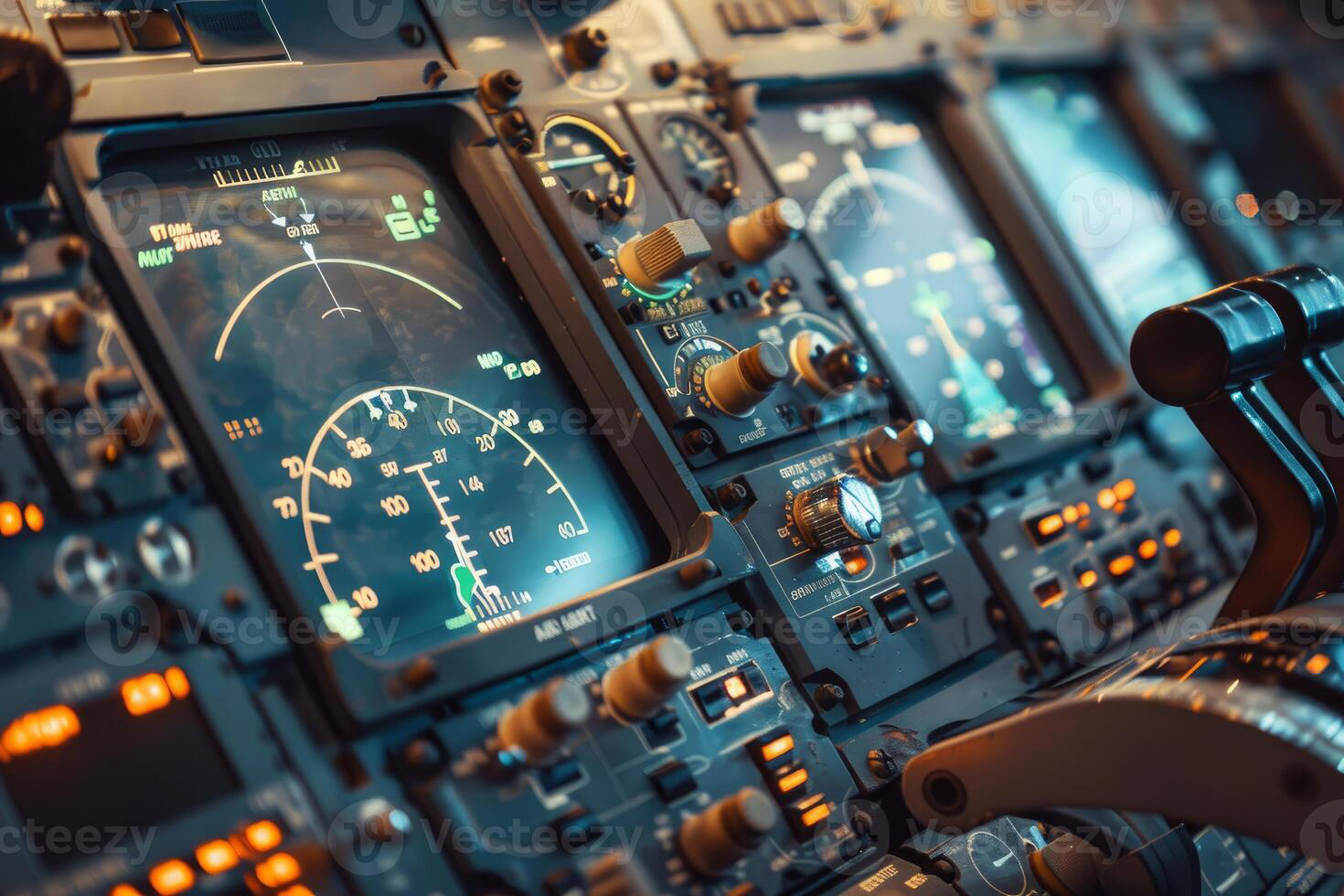
3.2 Simulator Training
Flight simulators replicate cockpit environments and flight conditions, helping students:
- Practice emergency procedures
- Learn aircraft systems
- Build instrument flying skills
3.3 Practical Training
Hands-on experience is a crucial component. Pilots log actual flight hours, engineers work on aircraft, and cabin crew train with mock-up emergency scenarios.
3.4 Examinations and Licensing
After completing course requirements, students must pass:
- Written examinations
- Oral interviews
- Skill tests (check rides)
- Medical evaluations
Successful students are awarded licenses or certifications recognized nationally or internationally.


4. Admission Requirements
While entry requirements vary by school and program, the general prerequisites are:
- Minimum Age: Usually 17–18 years.
- Education: High school diploma or equivalent; subjects like Physics and Math are preferred.
- Medical Fitness: Class 1 or 2 aviation medical certificate for pilots.
- Language Proficiency: English fluency (ICAO Level 4 minimum for pilots).
For university-level aviation programs, standardized tests like SAT/ACT (U.S.) or entrance exams (India, EU) may be required.
5. Cost and Duration of Training
5.1 Pilot Training Costs
- PPL: $10,000 – $15,000 (3–6 months)
- CPL with ATPL theory: $50,000 – $100,000 (12–18 months)
- Type Rating: $20,000 – $30,000 (1–2 months)
5.2 Aviation Degree Programs
- Bachelor’s Degree in Aviation/Aerospace: $30,000 – $100,000 (3–4 years)
- Aircraft Maintenance Engineering: $20,000 – $40,000 (2–3 years)
- Cabin Crew Courses: $2,000 – $5,000 (2–3 months)
Financial aid, scholarships, and government loans are often available through the schools or aviation bodies.


6. How to Choose the Right Aviation School
6.1 Accreditation and Approvals
Ensure the school is certified by:
- FAA (U.S.)
- EASA (Europe)
- DGCA (India)
- CASA (Australia)
- ICAO-compliant for global recognition
6.2 Facilities and Fleet
The quality and availability of:
- Aircraft (single-engine, multi-engine)
- Simulators
- Maintenance hangars
- Runway access
6.3 Instructors and Alumni
Evaluate instructor qualifications, training hours, and teaching style. A strong alumni network and placement record are also good indicators of a school’s reputation.
6.4 Location and Weather
Training in regions with favorable weather conditions allows students to accumulate flight hours faster. Schools near busy airspace provide more real-world flying experience.
7. Top Aviation Schools Worldwide
Here are some prestigious aviation schools globally:
United States
- Embry-Riddle Aeronautical University (ERAU)
- University of North Dakota (UND)
- Purdue University Aviation Technology
- ATP Flight School
United Kingdom
- Oxford Aviation Academy
- CAE Global Academy
- Cranfield University – Aerospace
Canada
- Seneca College
- Moncton Flight College
- University of Waterloo
India
- Indira Gandhi Institute of Aeronautics (IGIA)
- Capt. Gopi Aviation Academy
- Indira Gandhi Institute of Aviation Technology (IGIAT)
Australia
- Australian National Airline College
- CAE Melbourne
- Griffith University
8. Career Pathways After Aviation School
8.1 Airline Pilot
After graduating with a CPL and passing airline selection tests, pilots may begin as First Officers and work toward Captain positions.
8.2 Aircraft Engineer
Licensed engineers are hired by airlines, MROs, and aircraft manufacturers to maintain and certify aircraft safety.
8.3 Air Traffic Controller
Graduates of ATC programs are recruited by aviation authorities to manage airspace and ensure flight safety.
8.4 Aviation Manager
With degrees in aviation management, graduates take on roles such as:
- Airport Manager
- Airline Route Planner
- Flight Operations Officer
8.5 Cabin Crew
Trained crew members work for domestic and international carriers, and some may transition to supervisory or corporate roles.
9. The Role of Aviation Schools in Safety and Regulation
Safety is the cornerstone of aviation. Schools are required to:
- Maintain strict adherence to regulatory standards.
- Regularly update curricula in line with new technologies and procedures.
- Conduct emergency preparedness training.
- Ensure student medical and psychological fitness.
Through rigorous training, aviation schools contribute significantly to global air travel safety.
10. Future of Aviation Schools
The aviation training landscape is evolving rapidly due to:
- Technology Integration: Use of VR, AR, and AI in simulation training.
- Sustainability Trends: Training on fuel-efficient aircraft and sustainable aviation practices.
- Diversity and Inclusion: Encouraging more women and minorities into aviation careers.
- Online Learning: Hybrid models combining digital theory and on-site practicals.
With the global aviation workforce expected to grow significantly by 2040, aviation schools will play a central role in producing skilled professionals.

Conclusion
Aviation schools are the foundational institutions that transform dreams of flight into reality. From learning to operate a Boeing 737 to ensuring aircraft safety on the ground, these schools are at the heart of the aviation ecosystem. Choosing the right aviation school is a critical step, one that demands careful consideration of accreditation, facilities, costs, and career support.
Whether you aim to become a pilot soaring above the clouds, a controller guiding aircraft safely, or a manager orchestrating airline operations, aviation schools offer the structured training and opportunities needed to achieve these goals. With commitment, hard work, and the right education, a fulfilling career in aviation is well within reach.
CLICK 👉 download 300 aviation books just 1 MB
CLICK 👉 AIRBUS A320 COURSE
CLICK 👉 BOEING 737 PILOT COURSE
CLICK 👉 BOEING 747 PILOT COURSE
CLICK 👉 BOEING 757 PILOT COURSE
CLICK 👉 BOEING 767 PILOT COURSE
CLICK 👉 BOEING 777 PILOT COURSE
CLICK 👉 BOEING 787 PILOT COURSE
CLICK 👉 CESSNA 150 PILOT COURSE
CLICK 👉 CESSNA 152 COURSE
CLICK 👉 CESSNA 162 SKYCATCHER COURSE
CLICK 👉 CESSNA 172N SKYHAWK
CLICK 👉 CESSNA 172S COURSE
CLICK 👉 CESSNA 182T SKYLANE
CLICK 👉 ROBINSON R22 COURSE
CLICK 👉 ROBINSON R44 RAVEN II
CLICK 👉 PIPER ARCHER III PA-28-181 FULL COURSE
Click 👉 Online pilot training course