
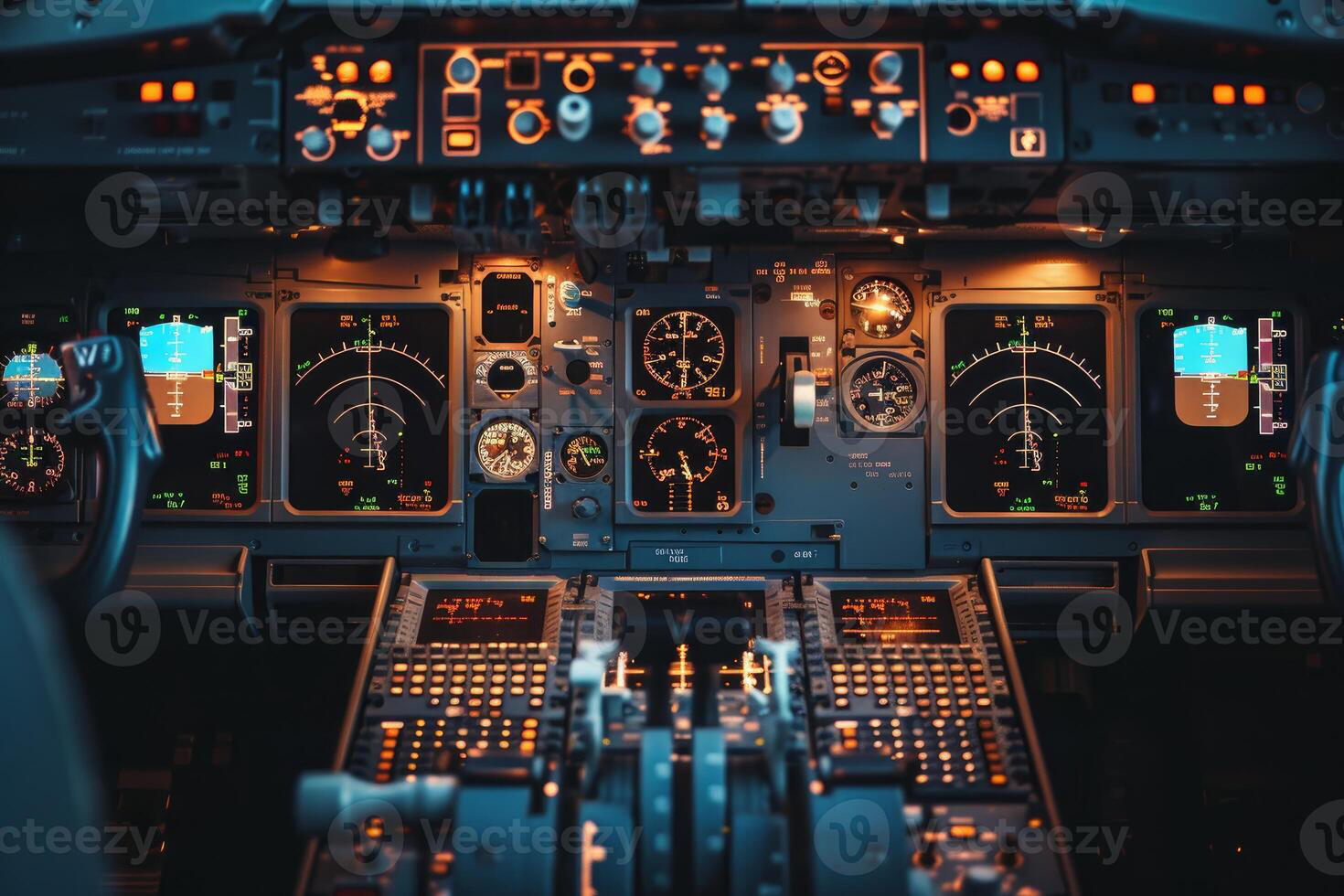
Commercial Pilot License (CPL): A Comprehensive Guide
Introduction
A Commercial Pilot License (CPL) is a qualification that allows the holder to act as a pilot of an aircraft and be paid for their work. It is a critical step for those who aspire to pursue aviation as a professional career. Whether you’re aiming to fly for airlines, charter companies, or other commercial operations, a CPL is the gateway to the skies.
This article provides a comprehensive overview of what a Commercial Pilot License entails, the eligibility requirements, training phases, costs, institutions, examinations, and potential career paths.


1. Understanding the Commercial Pilot License
A Commercial Pilot License (CPL) is issued by the civil aviation authority of a country and authorizes a pilot to operate an aircraft for remuneration. In simpler terms, while a Private Pilot License (PPL) is for personal and recreational flying, the CPL is for professional flying—enabling pilots to get paid.
CPL holders are permitted to:
- Act as the Pilot-in-Command (PIC) of any aircraft certified for single-pilot operations.
- Serve as co-pilot in multi-crew aircraft operations.
- Fly passengers or cargo on a commercial basis.
- Take part in aerial surveying, photography, banner towing, or bush flying.
2. Types of CPL Licenses
CPL licenses are generally categorized based on the region or the authority that issues them. The most recognized types include:
a. FAA CPL (United States)
Issued by the Federal Aviation Administration, this license is widely accepted and sought after, especially by students who train in the U.S.
b. EASA CPL (Europe)
Issued by the European Union Aviation Safety Agency, it has a modular and integrated training path, accepted across Europe and several other countries.
c. DGCA CPL (India)
Regulated by India’s Directorate General of Civil Aviation, this license allows pilots to work with Indian airlines or convert to foreign licenses through examinations.
d. CASA CPL (Australia)
Granted by the Civil Aviation Safety Authority in Australia, offering both national and international flying opportunities.


3. Eligibility Requirements
To pursue a CPL, candidates must meet certain medical, academic, and flying prerequisites. These may vary slightly by country but generally include:
Basic Requirements
- Age: Minimum 18 years.
- Education: Typically, completion of 10+2 or high school, with Physics and Mathematics.
- Medical Fitness: Must hold a valid Class 1 Medical Certificate from an authorized aviation medical examiner.
- Language Proficiency: Fluency in English—both spoken and written.
Flying Hours Requirement
Most aviation authorities require a minimum of 200 hours of flight time, including:
- 100 hours as Pilot-in-Command (PIC)
- 20 hours of cross-country flying
- 10 hours of instrument training
- 5 hours of night flying
These hour requirements are mandatory for the issuance of a CPL.
4. Training Phases for CPL
The training for a CPL can follow either an integrated or modular approach.
a. Integrated CPL Training
- A full-time course at an aviation school.
- Combines theory and flying from start to finish.
- Typically completed in 12 to 18 months.
- Suitable for those without prior flying experience.
b. Modular CPL Training
- A step-by-step approach.
- Candidates can begin with a Private Pilot License (PPL), accumulate hours, and then pursue CPL.
- Offers flexibility and is cost-effective for some.
Training Breakdown
Ground School Training
Covers aviation theory including:
- Air navigation
- Meteorology
- Flight planning
- Air law and regulations
- Human performance and limitations
- Aircraft general knowledge
- Radio telephony
Flight Training
Includes:
- Dual flights with instructors.
- Solo flights under supervision.
- Cross-country navigation.
- Instrument flying and night flying.
5. Examinations and Skill Tests
To qualify for a CPL, the candidate must pass:
Written Examinations
These test theoretical knowledge in:
- Air Law
- Aircraft General Knowledge
- Navigation
- Meteorology
- Flight Planning and Monitoring
- Principles of Flight
- Human Factors
Skill Test (Checkride)
A practical flight test conducted by a Designated Pilot Examiner (DPE). It includes:
- Pre-flight planning and procedures.
- In-flight maneuvers.
- Emergency procedures.
- Navigation.
- Landing and take-off performance.
The examiner checks if the candidate meets all required proficiency and decision-making standards.
6. Cost of CPL Training
The cost of CPL training varies based on country, flight school, aircraft type, and training duration. Here’s a rough estimate:
| Country | Estimated Cost (USD) |
|---|---|
| United States | $60,000 – $90,000 |
| India | $40,000 – $60,000 |
| Canada | $55,000 – $75,000 |
| Australia | $55,000 – $85,000 |
| Europe (EASA) | $70,000 – $120,000 |
Additional costs:
- Medical examinations
- Examination fees
- License issuance fees
- Visa and accommodation (for international students)
Many students opt for loan assistance, scholarships, or sponsorships from airlines to finance their training.
7. Choosing the Right Flight School
A good flight school should offer:
- Accreditation from the national aviation authority.
- Modern fleet of aircraft with proper maintenance.
- Experienced Certified Flight Instructors (CFIs).
- High student success rate.
- Support for international license conversion.
- Transparent pricing and clear training curriculum.
Examples of top CPL training schools:
- CAE Oxford Aviation Academy (Global)
- ATP Flight School (USA)
- Indira Gandhi Institute of Aeronautics (India)
- Moncton Flight College (Canada)
- L3Harris Airline Academy (UK/USA)
8. Career Opportunities After CPL
Once you have earned your CPL, a wide range of career paths open up. Some common ones include:
a. Airline First Officer
The most popular route—joining an airline as a First Officer (co-pilot). With experience, you can upgrade to Captain.
b. Charter and Corporate Pilot
Fly business jets or chartered flights for private clients or corporations.
c. Flight Instructor
Teach aspiring pilots. This role helps build flying hours and improves skills.
d. Cargo Pilot
Operate cargo flights for logistics companies such as FedEx, UPS, or DHL.
e. Aerial Survey and Agricultural Flying
Includes aerial mapping, photography, spraying pesticides, and more.
f. Government Agencies and Law Enforcement
Work with defense or government departments for patrol, surveillance, or transport missions.
9. CPL vs. Airline Transport Pilot License (ATPL)
CPL
- Minimum age: 18
- Flight hours: 200+
- Can act as PIC for single-pilot aircraft
ATPL
- Minimum age: 21
- Flight hours: 1,500+
- Required to become an airline captain
Many pilots earn a CPL and then work towards an ATPL while flying commercially.
10. License Conversion
Pilots who earn their CPL in one country may wish to convert it to another authority’s standards to work internationally.
Steps for Conversion
- Pass the theory exams of the target authority (e.g., EASA, DGCA).
- Meet flying hour and medical requirements.
- Complete specific flight tests and language assessments.
Conversion helps expand job opportunities, especially in high-demand regions.
11. Challenges in Earning a CPL
While a CPL can open exciting career doors, it also presents several challenges:
- High cost of training.
- Rigorous exams and flight assessments.
- Weather delays and scheduling issues.
- Job competition among fresh graduates.
- Physical and mental demands of the profession.
Success requires dedication, discipline, and a genuine passion for aviation.
12. Tips for Aspiring Commercial Pilots
- Research thoroughly about flight schools and aviation authorities.
- Maintain excellent health and fitness.
- Build strong math and physics fundamentals.
- Practice English communication skills.
- Log all your flying hours meticulously.
- Focus on developing situational awareness and decision-making.
- Stay updated on aviation regulations and technologies.
- Network with professionals and attend aviation expos or seminars.
Conclusion
Earning a Commercial Pilot License (CPL) is a remarkable achievement and the foundation for a professional career in aviation. The journey involves dedication, rigorous training, and substantial investment—but the reward is a dynamic, high-responsibility, and adventurous profession that quite literally reaches for the skies.

Whether you dream of flying airliners across continents, operating business jets for global executives, or instructing the next generation of pilots, a CPL is your passport to turning those dreams into reality.
CLICK 👉 download 300 aviation books just 1 MB
CLICK 👉 AIRBUS A320 COURSE
CLICK 👉 BOEING 737 PILOT COURSE
CLICK 👉 BOEING 747 PILOT COURSE
CLICK 👉 BOEING 757 PILOT COURSE
CLICK 👉 BOEING 767 PILOT COURSE
CLICK 👉 BOEING 777 PILOT COURSE
CLICK 👉 BOEING 787 PILOT COURSE
CLICK 👉 CESSNA 150 PILOT COURSE
CLICK 👉 CESSNA 152 COURSE
CLICK 👉 CESSNA 162 SKYCATCHER COURSE
CLICK 👉 CESSNA 172N SKYHAWK
CLICK 👉 CESSNA 172S COURSE
CLICK 👉 CESSNA 182T SKYLANE
CLICK 👉 ROBINSON R22 COURSE
CLICK 👉 ROBINSON R44 RAVEN II
CLICK 👉 PIPER ARCHER III PA-28-181 FULL COURSE
Click 👉 Online pilot training course