
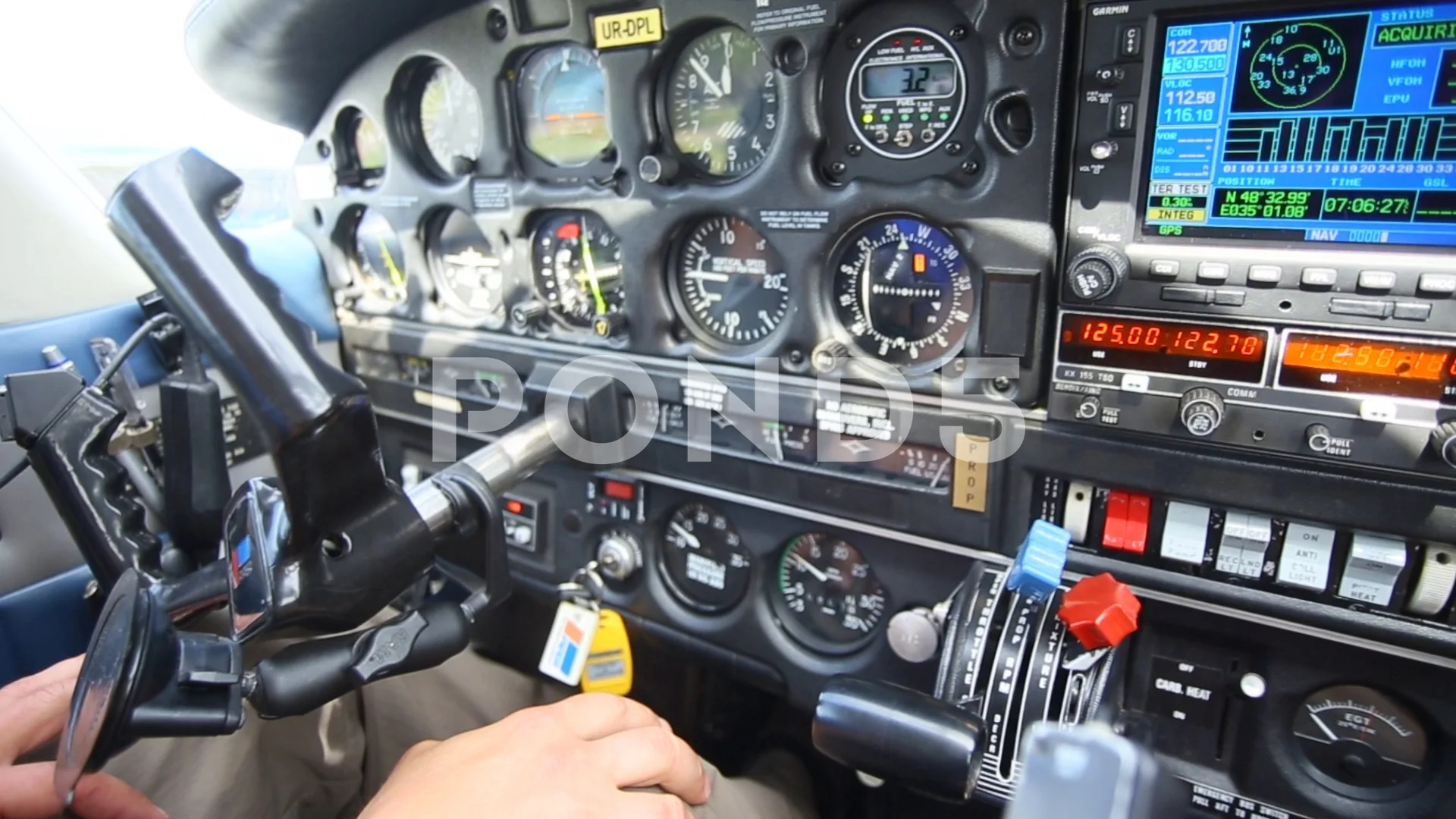
Private Pilot Training: A Complete Guide
1. Introduction
Private Pilot Training is the first formal step in the aviation journey. A Private Pilot License (PPL) allows individuals to fly aircraft non-commercially, meaning they cannot be paid to fly but can operate aircraft for leisure, travel, or as a stepping stone toward advanced aviation careers. For many, it’s the fulfillment of a lifelong dream—to command an aircraft and navigate the skies.
This guide details everything involved in private pilot training: eligibility, structure, theory, flight training, costs, challenges, and career relevance.


2. Purpose of a Private Pilot License
The PPL is a foundational certification governed by national and international aviation authorities such as:
- FAA (Federal Aviation Administration) – USA
- EASA (European Union Aviation Safety Agency) – Europe
- DGCA (Directorate General of Civil Aviation) – India
- CAA (Civil Aviation Authority) – UK and others
A Private Pilot License enables the holder to:
- Fly as Pilot in Command (PIC) of aircraft.
- Operate in visual meteorological conditions (VMC).
- Carry passengers (non-paying).
- Fly during the day (and at night with an additional night rating).
3. Eligibility Criteria
To begin private pilot training, candidates must meet certain prerequisites:
Basic Requirements
- Age: At least 16 to solo and 17 to earn a PPL.
- Education: No formal academic requirement, but strong math and physics skills help.
- Medical Fitness: A valid Class 2 Medical Certificate (or Class 3 in some regions).
- Language Proficiency: Must be able to read, write, speak, and understand English (ICAO Level 4 or higher recommended).
4. Structure of the PPL Course
The private pilot course is generally divided into two main sections:
A. Ground School (Theoretical Knowledge)
Students must complete theoretical training that includes:
- Air Law and ATC Procedures
- Aircraft General Knowledge
- Flight Performance and Planning
- Human Performance and Limitations
- Meteorology
- Navigation
- Operational Procedures
- Principles of Flight
- Communications (VFR and radiotelephony)
Duration: 60 to 100 hours of classroom or online study, depending on the country and school.


B. Flight Training (Practical Instruction)
Flight training involves learning real-time aircraft operations under the supervision of a Certified Flight Instructor (CFI).
Key Phases:
- Pre-Solo Training
- Basic maneuvers
- Straight-and-level flight
- Turns, climbs, descents
- Takeoffs and landings
- First Solo Flight
- A major milestone.
- Occurs after mastering basic aircraft control and safety.
- Cross-Country Navigation
- Longer flights to different airports.
- Pre-flight planning, fuel management, communication, and diversions.
- Emergency Procedures
- Engine failures
- Glide landings
- Systems troubleshooting
- Night Flying (if included or rated separately)
- Circuit work at night
- Handling illusions and low visibility
- Check Ride (Skill Test) Preparation
- Mock tests with instructors
- Review of theory and practical performance
5. Flight Hours and Requirements
Minimum Flight Time
- FAA (USA): 40 hours (20 dual, 10 solo, 3 cross-country)
- EASA (Europe): 45 hours (25 dual, 10 solo)
- DGCA (India): 40 hours minimum (20 dual, 10 solo)
These are minimums; most students need 50–70 hours to achieve proficiency.
6. Aircraft Used for Training
Common training aircraft are:
- Cessna 152/172
- Piper PA-28 Cherokee
- Diamond DA20/DA40
- Tecnam P2002/P2008
These aircraft are single-engine, piston-powered, with dual controls for student and instructor.


7. The PPL Check Ride (Skill Test)
Once the required hours and ground school exams are completed, students undertake a check ride with an examiner.
Structure
- Oral Examination: Flight planning, weather, regulations.
- Flight Test: Demonstrate maneuvers, navigation, emergency procedures.
Passing this test earns the student a Private Pilot License.
8. Ground School Examinations
Typically includes multiple-choice exams per subject or a combined comprehensive test.
- Duration: 2–3 hours
- Passing Score: Usually 70% or higher
- Conducted online or at testing centers
9. Skills Developed
During PPL training, students acquire key skills:
- Hand-eye coordination and multitasking
- Situational awareness
- Decision-making under pressure
- Radio communication and navigation
- Understanding of weather and aerodynamics
10. Cost of Private Pilot Training
The total cost varies by country, school, and pace of training. Estimated ranges:
- USA: $8,000–$15,000
- UK/EU: £10,000–£15,000 or €12,000–€18,000
- India: ₹8–12 lakhs
- Australia: AUD 15,000–20,000
Breakdown
- Flight hours: Largest cost component
- Ground school and books
- Medical examination
- Testing and licensing fees
- Headsets, charts, apps, logbooks
11. Common Challenges
PPL training can be demanding. Some common challenges include:
- Weather delays impacting training schedules
- Difficulty mastering crosswind landings
- Information overload during ground school
- Coordination and multitasking issues early in flight training
- Financial pressure if not budgeted properly
Persistence and proper mentorship are key to overcoming these.
12. Advantages of Holding a PPL
- Fly friends and family for leisure
- Access remote locations and private airstrips
- Entry point for further training (CPL, IR, ATPL)
- Personal freedom and time-saving travel
- Engage in aviation clubs and social flying events
- Develop discipline, responsibility, and focus
13. Limitations of a PPL
- Cannot fly for compensation or hire
- Weather restrictions (visual conditions only unless IR is added)
- Must renew medical and maintain currency (flight every 90 days with passengers)
- Aircraft rental and fuel costs borne personally
14. Add-Ons and Endorsements
After earning a PPL, pilots can pursue add-ons to expand their flying capabilities:
1. Night Rating
- Required for flight after sunset
- 5 hours of night flight time minimum
2. Instrument Rating (IR)
- Enables flying in clouds or low visibility
- Crucial for further training (e.g., CPL)
3. Multi-Engine Rating
- Trains for aircraft with two or more engines
- Focus on handling asymmetric thrust
4. Seaplane Rating
- Enables operation on water bodies
5. Mountain Flying, Tailwheel, and Complex Aircraft Endorsements
- Specialized skills for different aircraft and environments
15. Career Pathway and Relevance
Although a PPL is not a commercial qualification, it’s the foundation for all professional pilot training.
Steps after PPL:
- Time Building: Accumulate hours
- Instrument Rating (IR)
- Commercial Pilot License (CPL)
- Multi-Engine and Instructor Ratings
- ATPL Theory and Airline Entry
Many airline pilots began as private pilots, slowly gaining skills and flight time.

16. Tips for Aspiring Private Pilots
- Choose a reputable flight school with modern aircraft and good instructors.
- Schedule flights consistently to build muscle memory.
- Use simulators and flight apps (e.g., ForeFlight, X-Plane) for practice.
- Review every flight with your instructor—debriefs are crucial.
- Stay healthy and rested—flying requires alertness.
- Join aviation communities for motivation and shared experiences.
17. Conclusion
Private pilot training is an extraordinary personal and professional milestone. It combines the art and science of aviation, demanding mental focus, physical coordination, and emotional resilience. Beyond the technical knowledge and flying skills, it offers freedom, empowerment, and a lifelong connection to the sky.
For many, earning a Private Pilot License is the start of a career in aviation. For others, it’s a personal achievement representing passion and commitment. Whatever your goal, private pilot training is a rewarding and unforgettable experience.
CLICK 👉 download 300 aviation books just 1 MB
CLICK 👉 AIRBUS A320 COURSE
CLICK 👉 BOEING 737 PILOT COURSE
CLICK 👉 BOEING 747 PILOT COURSE
CLICK 👉 BOEING 757 PILOT COURSE
CLICK 👉 BOEING 767 PILOT COURSE
CLICK 👉 BOEING 777 PILOT COURSE
CLICK 👉 BOEING 787 PILOT COURSE
CLICK 👉 CESSNA 150 PILOT COURSE
CLICK 👉 CESSNA 152 COURSE
CLICK 👉 CESSNA 162 SKYCATCHER COURSE
CLICK 👉 CESSNA 172N SKYHAWK
CLICK 👉 CESSNA 172S COURSE
CLICK 👉 CESSNA 182T SKYLANE
CLICK 👉 ROBINSON R22 COURSE
CLICK 👉 ROBINSON R44 RAVEN II
CLICK 👉 PIPER ARCHER III PA-28-181 FULL COURSE
Click 👉 Online pilot training course
