
Pilot Training: A Comprehensive Guide to Becoming a Licensed Aviator
Introduction
Pilot training is an intensive and rewarding journey that transforms aviation enthusiasts into professional aviators capable of safely commanding an aircraft. Whether you aspire to fly for an airline, operate a charter business, or simply enjoy flying as a hobby, pilot training provides the knowledge, skills, and certifications necessary to take to the skies. This guide offers an in-depth look at the complete pilot training process, from initial education to advanced flight ratings, including the medical, theoretical, and practical requirements necessary for achieving a career in aviation.
1. Understanding the Role of a Pilot
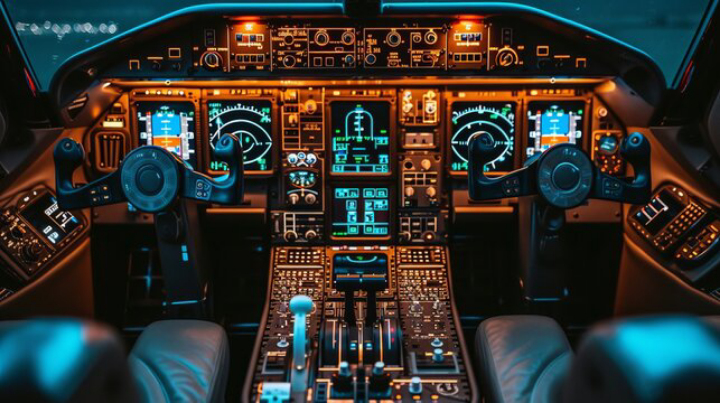
A pilot’s primary responsibility is to operate aircraft safely and efficiently. This includes pre-flight planning, navigation, communication with air traffic control (ATC), monitoring instruments, and managing any emergencies that arise. Pilots must possess a strong foundation in aerodynamics, meteorology, aircraft systems, and aviation regulations. Additionally, they are trained in critical thinking, teamwork, and decision-making—skills essential for managing in-flight operations under varying conditions.
2. Types of Pilot Licenses
Pilot training programs are structured based on the type of license one aims to obtain. The most common licenses include:
a. Student Pilot License (SPL)
This is the first step in pilot training. It allows individuals to fly under the supervision of a flight instructor. The SPL is a prerequisite for solo flight and is usually obtained after passing a basic medical exam and theoretical knowledge test.
b. Private Pilot License (PPL)
A PPL permits the holder to fly aircraft for personal use, not for compensation. It’s the most popular license for recreational pilots and is the foundation for more advanced licenses. Training includes a minimum of 40-50 flight hours, ground school, and a check ride.
c. Commercial Pilot License (CPL)
The CPL allows a pilot to receive compensation for flying. This license is essential for anyone pursuing aviation as a career. It requires a higher level of flight experience—usually around 200 hours total time—and a more advanced understanding of aerodynamics, systems, and regulations.
d. Airline Transport Pilot License (ATPL)
This is the highest level of pilot certification and is required to act as the pilot-in-command (PIC) of an airliner. It demands a minimum of 1500 flight hours, comprehensive written exams, and simulator training.
e. Other Licenses and Ratings
- Instrument Rating (IR): Allows pilots to fly in low-visibility conditions using only instruments.
- Multi-Engine Rating (ME): Permits the operation of aircraft with more than one engine.
- Flight Instructor Certificate: Qualifies pilots to train new students.
- Type Ratings: Required for large or complex aircraft types.
3. Eligibility and Prerequisites
Before beginning pilot training, certain eligibility criteria must be met:
- Age: Must be at least 16 for a Student Pilot License, 17 for PPL, and 18 for CPL.
- Education: A high school diploma is typically required. Proficiency in English is also necessary.
- Medical Fitness: Pilots must pass an aviation medical exam conducted by a certified Aviation Medical Examiner (AME). Class 1 medical is required for CPL and ATPL.
- Background Check: Especially for commercial and airline transport roles, background checks are standard.
4. Ground School: Theoretical Knowledge Training
Ground school is a core component of pilot training. It equips aspiring pilots with the theoretical knowledge required to understand flight principles and prepare for licensing exams.
Core Subjects Include:
- Air Law: Aviation regulations and operational procedures.
- Navigation: Charts, coordinates, flight planning, and GPS systems.
- Meteorology: Weather theory, interpreting forecasts, and flying in different conditions.
- Human Performance: Physiology and psychology of flight, including fatigue and hypoxia.
- Aircraft General Knowledge: Engines, electrical systems, hydraulics, and controls.
- Flight Planning and Monitoring: Fuel calculations, weight and balance, alternate airports.
- Principles of Flight: Aerodynamics, stability, and control.
- Operational Procedures: Emergency operations, SOPs, and safety systems.
- Communications: Radiotelephony, phraseology, and communication protocols.
Ground school is typically delivered in a classroom, through online platforms, or via a hybrid model.


5. Flight Training: Practical Instruction
Flight training is where students transition from the classroom to the cockpit. Conducted with certified flight instructors (CFIs), practical training takes place in both single-engine and multi-engine aircraft.
Stages of Flight Training:
a. Pre-Solo Training:
Includes basic maneuvers such as climbs, descents, turns, takeoffs, and landings. This phase also covers emergency procedures.
b. Solo Flight:
After a student demonstrates adequate proficiency, they perform supervised solo flights. This is a critical milestone in pilot training.
c. Cross-Country Navigation:
Students plan and execute flights beyond a 50-nautical mile radius, often landing at unfamiliar airports. This hones navigation and communication skills.
d. Night Flying (if applicable):
Pilots learn to operate under reduced visibility, mastering night navigation, lighting systems, and spatial awareness.
e. Instrument Flight Training:
Instruction in using cockpit instruments to fly without visual references, preparing students for challenging weather conditions.
f. Advanced Maneuvers and Emergency Procedures:
Includes engine-out procedures, stall recovery, unusual attitudes, and system malfunctions.
6. Simulator Training
Modern pilot training integrates flight simulators, which replicate real-world flying conditions. Simulators are essential for:
- Practicing emergencies and rare scenarios.
- Instrument training.
- Type-specific training (e.g., Boeing 737, Airbus A320).
- Reducing training costs and increasing safety.
Full flight simulators (FFS) are often used for ATPL and type rating courses, providing immersive, high-fidelity training environments.
7. Pilot Exams and Check Rides
Each stage of pilot training includes written, oral, and practical evaluations.
Written Exams:
Conducted by aviation authorities (e.g., FAA, EASA, DGCA), covering all theoretical subjects.
Oral Exams:
Usually part of the check ride, assessing decision-making, regulations, and procedures.
Check Ride (Skill Test):
The final flight exam with a designated pilot examiner (DPE). It includes preflight planning, a flight test with various maneuvers, and post-flight debriefing.
Passing the check ride is the last step before receiving a license.
8. Choosing a Flight School
Selecting the right flight school is vital. Prospective students should consider:
- Accreditation and Certification: Ensure the school is approved by national aviation authorities.
- Fleet Size and Condition: Availability and variety of training aircraft.
- Instructor Quality: Experience and teaching style of CFIs.
- Location and Weather: Favorable flying conditions reduce delays in training.
- Cost and Financing: Transparent pricing, installment plans, and scholarships.
- Graduate Success Rate: Placement rates and partnerships with airlines.
Two types of flight schools are common:
- Part 61 (FAA) or Non-integrated (EASA): Flexible and often cheaper, suitable for personal training.
- Part 141 (FAA) or Integrated (EASA): Structured, faster-paced programs ideal for professional careers.
9. Costs of Pilot Training
Becoming a pilot requires significant financial investment. Average costs (varies by country):
- Private Pilot License: $8,000 – $15,000
- Commercial Pilot License (with PPL included): $40,000 – $70,000
- ATPL (Integrated): $70,000 – $150,000
Additional expenses include:
- Medical exams
- Study materials
- Uniforms
- Exam fees
- Flight gear (headsets, logbooks, etc.)
Some airlines offer cadet programs or sponsored training, which can offset costs in exchange for service contracts.
10. Career Paths After Training
Pilot training opens the door to various aviation careers, including:

a. Airline Pilot
Fly for regional or major carriers, operating domestic or international routes.
b. Charter or Corporate Pilot
Transport clients in private jets or charter planes.
c. Flight Instructor
Teach new students, often a stepping stone to building flight hours.
d. Agricultural or Survey Pilot
Operate aircraft for crop dusting, aerial photography, or land surveying.
e. Military Pilot
Some countries allow trained civilians to transition to military aviation.
f. Cargo and Medical Evacuation Pilot
Deliver goods or assist in medical emergencies via air transport.
11. Continuing Education and Recurrent Training
Even after obtaining a license, pilots must undergo periodic training and evaluations to maintain proficiency:
- Recurrent training and checks: Every 6-12 months.
- Simulator checks and line checks: Required by airlines.
- New type ratings: For pilots transitioning to new aircraft models.
- Regulatory updates: Keeping current with changes in aviation law or procedures.
Staying current ensures safety and compliance with aviation authorities.
12. Challenges and Rewards
Pilot training is rigorous, both mentally and physically. Students face challenges like:
- Long study hours
- Weather delays
- High costs
- Physical demands and medical standards
- Competitive job market
However, the rewards include:
- A fulfilling career
- Opportunities to travel the world
- High earning potential
- Constant learning and skill development
- Prestige and community respect
13. The Future of Pilot Training
Technology and global demand are shaping the future of pilot training:
- Virtual Reality (VR) and Augmented Reality (AR): Enhancing simulator realism.
- Artificial Intelligence (AI): Adaptive learning tools and flight analytics.
- Sustainable Aviation: Training on electric aircraft and green technologies.
- Global Pilot Shortage: Increasing demand for well-trained pilots, especially in Asia and Africa.
- Remote Training: Online ground schools and hybrid models reduce barriers.
As aviation evolves, pilot training programs will continue adapting to produce safe, efficient, and tech-savvy aviators.
Conclusion
Pilot training is a journey of discipline, passion, and persistence. From understanding the fundamentals of flight to mastering complex aircraft systems, each step brings students closer to their dream of flying. Whether you’re pursuing aviation for personal enjoyment or aiming for a career at 35,000 feet, the training you receive lays the foundation for a lifetime of safe and skillful flying.
CLICK 👉 download 300 aviation books just 1 MB
CLICK 👉 AIRBUS A320 COURSE
CLICK 👉 BOEING 737 PILOT COURSE
CLICK 👉 BOEING 747 PILOT COURSE
CLICK 👉 BOEING 757 PILOT COURSE
CLICK 👉 BOEING 767 PILOT COURSE
CLICK 👉 BOEING 777 PILOT COURSE
CLICK 👉 BOEING 787 PILOT COURSE
CLICK 👉 CESSNA 150 PILOT COURSE
CLICK 👉 CESSNA 152 COURSE
CLICK 👉 CESSNA 162 SKYCATCHER COURSE
CLICK 👉 CESSNA 172N SKYHAWK
CLICK 👉 CESSNA 172S COURSE
CLICK 👉 CESSNA 182T SKYLANE
CLICK 👉 ROBINSON R22 COURSE
CLICK 👉 ROBINSON R44 RAVEN II
CLICK 👉 PIPER ARCHER III PA-28-181 FULL COURSE
Click 👉 Online pilot training course