
Cost of a Private Pilot License (PPL), covering all aspects such as flight hours, ground school, exams, medicals, additional fees, country-wise variations, and tips to save money:
The Cost of a Private Pilot License (PPL): A Complete Breakdown
A Private Pilot License (PPL) is often the first major milestone for aspiring aviators. It grants the holder the authority to fly aircraft for personal use (non-commercial) and serves as the foundation for more advanced licenses like the Commercial Pilot License (CPL) or Airline Transport Pilot License (ATPL). While the idea of flying freely in the sky is thrilling, the path to earning a PPL is both time-consuming and expensive.
Understanding the true cost of obtaining a Private Pilot License is crucial for anyone considering flight training. The overall price can vary greatly depending on the country, type of aircraft, flight school, and student proficiency. In this comprehensive guide, we’ll break down the average costs, explain what influences them, and provide tips to make the most of your investment.
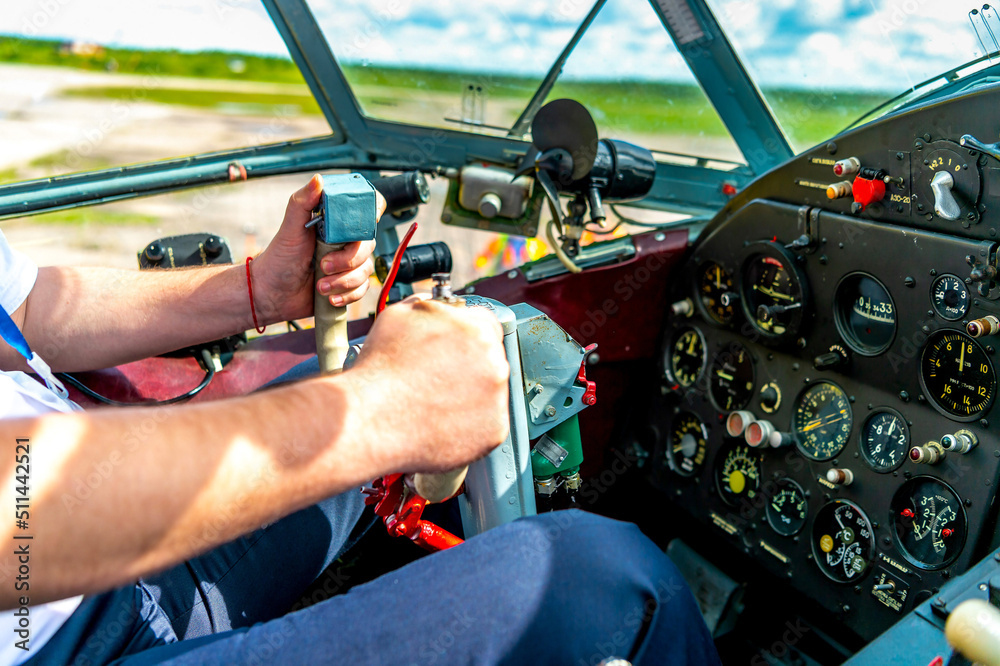
1. Overview of PPL Costs
The average cost of obtaining a PPL typically ranges from $8,000 to $20,000 (USD), depending on multiple factors. Here’s a broad estimate of what you can expect:
| Component | Estimated Cost (USD) |
|---|---|
| Flight Training (40–70 hours) | $6,000 – $14,000 |
| Ground School (online or in-person) | $200 – $1,000 |
| Books and Materials | $200 – $500 |
| FAA Medical Exam (or local equivalent) | $100 – $300 |
| Written Exam Fee | $150 – $200 |
| Checkride / Skill Test | $500 – $800 |
| Miscellaneous (headsets, charts, kneeboards) | $300 – $1,000 |
Total Estimate: $8,000 – $20,000
2. Flight Time: The Biggest Expense
Minimum Flight Hours Required
The FAA (USA) requires a minimum of 40 flight hours to earn a PPL:
- 20 hours of dual instruction
- 10 hours of solo flight
- The rest can be solo, dual, or cross-country
However, most students require 50–70 hours to become proficient enough to pass the checkride. In countries like Canada, Australia, or India, the minimum hours may vary slightly (typically 40–60 hours).
Cost per Flight Hour
Flight time is calculated by “Hobbs time” (engine running time) and includes aircraft rental and instructor fees.
- Aircraft rental (Cessna 152 or 172): $100 – $200/hour
- Flight instructor: $30 – $80/hour (if not included)
Let’s assume a student completes training in 60 hours:
- Aircraft rental: 60 hours × $150 = $9,000
- Instructor: 40 hours × $50 = $2,000
- Total Flight Cost: $11,000
This component alone can account for 70–80% of your total PPL cost.


3. Ground School and Theoretical Knowledge
Ground school covers subjects such as:
- Air law
- Meteorology
- Navigation
- Flight planning
- Aircraft systems
Options include:
- Online Ground School (e.g., King, Sporty’s, Gleim): $200 – $400
- In-person classroom courses: $500 – $1,000
Some schools include ground training in the overall package, while others charge separately. Choose a method that matches your learning style and schedule.
4. Books, Materials, and Supplies
Every pilot needs study materials and gear. This includes:
- Pilot handbooks and study guides: $50 – $150
- Flight planning tools (E6B, plotter): $50
- Charts and sectional maps: $20 – $100
- Pilot logbook: $10 – $20
- Kneeboard, flight bag: $50 – $150
- Headset (optional but recommended): $150 – $600+
While some schools provide these, most students buy their own. A quality headset is an investment you can use throughout your aviation journey.
5. Medical Examination
A Class 3 Medical Certificate (USA) or equivalent is required to ensure you are fit to fly.
- Cost: $100 – $300 depending on the country and examiner
- Validity: Usually 5 years for pilots under age 40
This exam covers vision, hearing, cardiovascular health, and general physical wellness.
6. Written Exam (Knowledge Test)
This is a multiple-choice exam covering the theoretical part of flying. In the U.S., it’s called the FAA Private Pilot Airman Knowledge Test.
- Cost: $150 – $200
- Administered at FAA-approved testing centers or their equivalents worldwide
Many online ground schools include test prep tools to help you succeed.
7. Checkride / Skill Test
The final step is a checkride with a Designated Pilot Examiner (DPE) or equivalent authority.
- Oral Exam: Questions about regulations, weather, aircraft systems, etc.
- Flight Test: Demonstrating maneuvers, emergency procedures, and general airmanship
Cost: $500 – $800
This one-time fee is paid directly to the examiner. If you fail and need to retake, there may be additional costs.
8. Additional Costs and Hidden Fees
- Retakes for exams or checkrides: May incur extra charges
- Fuel surcharges: Depending on market rates and whether flight cost includes fuel
- Landing or airspace fees: Common outside the U.S.
- Insurance: Usually covered by the flight school, but verify beforehand
- Membership fees: Some clubs require membership for training
9. Country-Wise Cost Comparison
Here’s a rough guide to PPL costs in different countries (converted to USD):
| Country | Estimated Cost (USD) |
|---|---|
| USA | $8,000 – $15,000 |
| Canada | $10,000 – $16,000 |
| UK | $12,000 – $20,000 |
| Australia | $10,000 – $18,000 |
| India | $10,000 – $15,000 |
| South Africa | $8,000 – $14,000 |
| UAE | $15,000 – $25,000 |
Prices vary due to differences in fuel cost, aircraft availability, instructor rates, and regulatory frameworks. For example, Europe typically has higher airspace and landing fees, which drives up training costs.
10. Tips to Reduce Costs
1. Be Consistent with Training
Spread-out training leads to forgetting skills and more review time. Flying 2–3 times per week is ideal to progress quickly and retain knowledge.
2. Choose the Right Flight School
Compare multiple schools:
- Ask about hidden fees
- Check aircraft availability
- Read student reviews
3. Use Simulators
FAA-approved simulators can be used for a portion of your training and cost significantly less than actual flight time.
4. Fly Efficiently
Be prepared before each lesson:
- Review procedures and theory in advance
- Ask instructors for clear lesson plans
5. Join Flying Clubs
Clubs often offer discounted rental rates and community support.
6. Buy Used Equipment
Used headsets, books, and tools are widely available and reduce startup costs.
11. Time Commitment
Getting a PPL usually takes 3–6 months with full-time training, or up to a year for part-time students. This time investment also contributes to overall costs, especially if you must take time off work or travel to a flight school.
12. Is It Worth It?
While the cost of a PPL is significant, it offers:
- Personal freedom to fly
- Access to private aircraft rentals
- The first step toward a commercial flying career
- A lifelong skill and hobby
It’s also a valuable learning experience in discipline, planning, and responsibility.

Conclusion
The cost of a Private Pilot License varies by location, school, and student performance but typically ranges between $8,000 and $20,000. It involves flight training, ground school, exams, equipment, and medical evaluations. Though expensive, the PPL opens the door to a rewarding personal or professional aviation journey.

To manage the financial burden, smart planning, efficient study, and the right choice of school are essential. If flying is your passion, a PPL is a priceless investment in your dreams—an adventure that pays dividends in freedom, skill, and accomplishment.
CLICK 👉 download 300 aviation books just 1 MB
CLICK 👉 AIRBUS A320 COURSE
CLICK 👉 BOEING 737 PILOT COURSE
CLICK 👉 BOEING 747 PILOT COURSE
CLICK 👉 BOEING 757 PILOT COURSE
CLICK 👉 BOEING 767 PILOT COURSE
CLICK 👉 BOEING 777 PILOT COURSE
CLICK 👉 BOEING 787 PILOT COURSE
CLICK 👉 CESSNA 150 PILOT COURSE
CLICK 👉 CESSNA 152 COURSE
CLICK 👉 CESSNA 162 SKYCATCHER COURSE
CLICK 👉 CESSNA 172N SKYHAWK
CLICK 👉 CESSNA 172S COURSE
CLICK 👉 CESSNA 182T SKYLANE
CLICK 👉 ROBINSON R22 COURSE
CLICK 👉 ROBINSON R44 RAVEN II
CLICK 👉 PIPER ARCHER III PA-28-181 FULL COURSE
Click 👉 Online pilot training course