
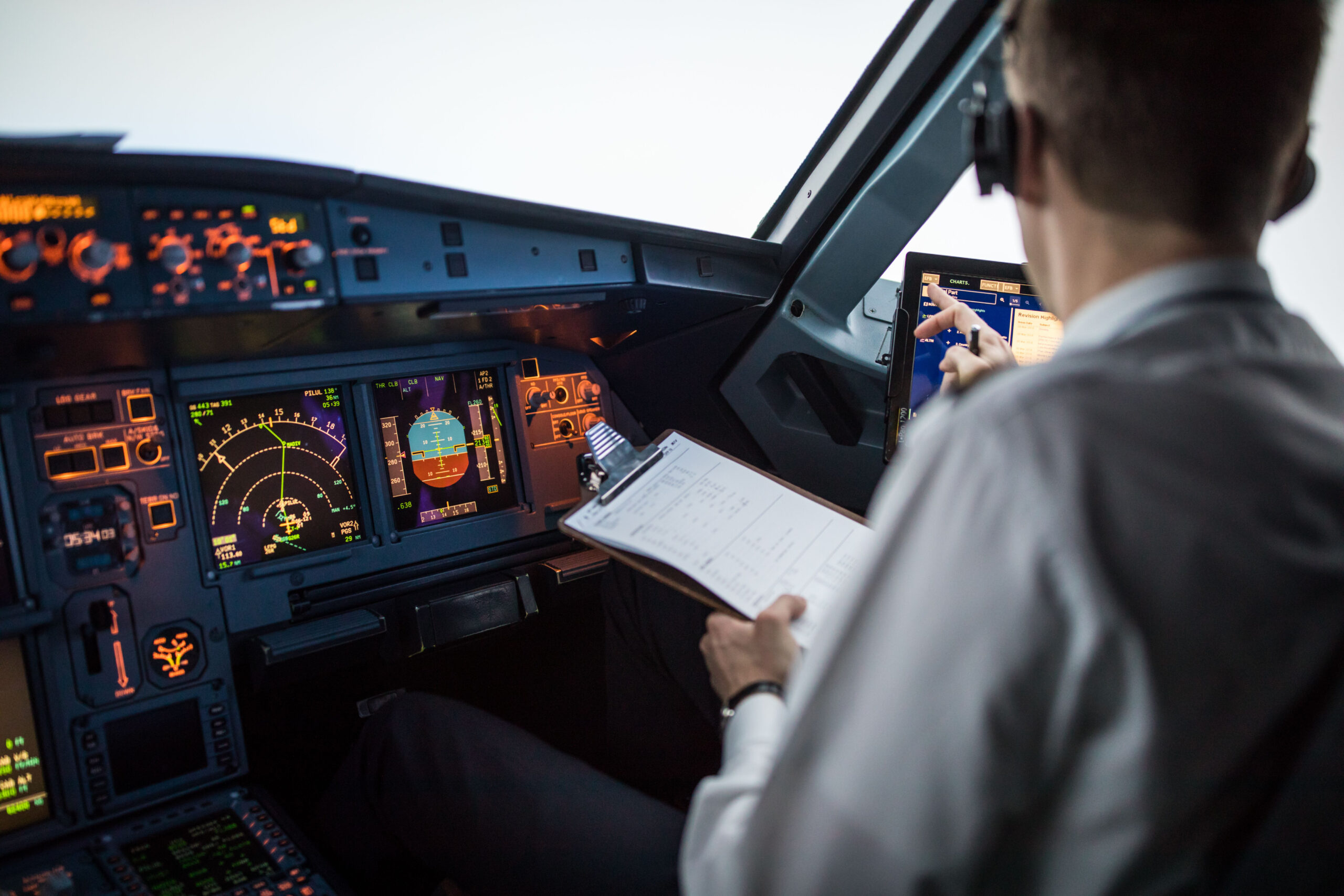
Accelerated Flight Training—designed to inform aspiring pilots, aviation enthusiasts, or professionals considering a fast-tracked route to becoming licensed pilots.
Accelerated Flight Training: A Fast Track to the Skies
Introduction
For many aspiring pilots, the dream of taking flight professionally is often accompanied by a common challenge: time. Traditional flight training programs can take several years to complete, especially when pursued part-time. Enter Accelerated Flight Training—a high-intensity, immersive training model that condenses months or even years of aviation education into a fraction of the time.


Accelerated flight training offers the opportunity to earn a pilot license in weeks instead of months, and a commercial license in less than a year. But this speed doesn’t come without demands. It requires exceptional commitment, daily study, and often full-time dedication. In this article, we’ll explore everything there is to know about accelerated flight training, including structure, timelines, advantages, disadvantages, and who it’s best suited for.
What Is Accelerated Flight Training?
Accelerated flight training is an intensive aviation program designed to compress the time it takes to earn a pilot license. These programs emphasize full-time instruction, daily flying, and rapid progress, allowing students to move from zero experience to a certified pilot within a remarkably short timeframe.
Typical licenses and ratings offered through accelerated formats include:
- Private Pilot License (PPL)
- Instrument Rating (IR)
- Commercial Pilot License (CPL)
- Certified Flight Instructor (CFI)
- Multi-Engine Rating (ME)
- Airline Transport Pilot License (ATPL) theory


How Fast Is “Accelerated”?
Here’s a general timeline comparison of accelerated vs. traditional flight training:
| License/Rating | Traditional Timeline | Accelerated Timeline |
|---|---|---|
| PPL | 6–12 months | 3–6 weeks |
| IR | 4–6 months | 10–21 days |
| CPL | 1–2 years | 4–6 months |
| CFI | 3–6 months | 2–4 weeks |
| ME Rating | 1 month | 3–5 days |
| ATPL Theory (EASA) | 12–18 months | 6–9 months |
Some schools even offer zero-to-CPL programs in under 9 months, often bundled as career pilot programs.
Key Features of Accelerated Training
1. Daily Flying and Ground School
Accelerated training demands daily commitment. Students often fly twice a day, with theory sessions in between.
2. Immersive Curriculum
The curriculum is streamlined and tightly scheduled. Lessons build rapidly, requiring mastery of each concept before moving on.
3. Fixed Program Duration
Most accelerated programs are full-time and structured—you enroll with a start and end date, unlike traditional open-ended part-time training.
4. Individualized Attention
Because of the high intensity, many programs offer 1-on-1 instruction or small class sizes for maximum efficiency.
Advantages of Accelerated Flight Training
1. Save Time
The most obvious benefit is speed. If you’re changing careers, entering the airline industry quickly, or facing a deadline, accelerated training is ideal.
2. Efficient Learning Environment
Learning continuously without long breaks helps reinforce knowledge. Students retain skills better with consistent practice.
3. Cost-Effective (Sometimes)
Although upfront costs are high, completing training quickly may reduce total expenses:
- Fewer months of living expenses
- Less scheduling conflict
- No wasted aircraft rental or instructor time
4. Fast Entry to the Job Market
For career-focused pilots, faster training means quicker access to paid flying jobs, whether as a flight instructor, charter pilot, or First Officer.
5. Structured Schedules
Most accelerated programs have clear milestones, reducing procrastination and delays common in unstructured training.
Challenges of Accelerated Training
1. High Intensity
You’re flying, studying, testing, and preparing every single day. The mental and physical demands are significant.
2. Little Margin for Error
Falling behind can disrupt your timeline, especially if you fail a checkride or need extra training.
3. High Upfront Costs
Though efficient, accelerated programs typically require payment upfront, and costs can range from $10,000 for PPL to $90,000 for CPL or airline programs.
4. Weather Delays
Because of the time sensitivity, weather can significantly impact the schedule, especially in areas with frequent storms or winters.
5. Limited Flexibility
Taking time off mid-program may be difficult or result in restarting portions of the course.
Who Should Consider Accelerated Training?
Ideal Candidates:
- Career changers seeking fast entry into aviation
- University graduates pursuing a professional pilot career
- Airline cadet applicants or military-to-civilian transitions
- Individuals with flexible schedules and financial stability
- Self-disciplined learners with strong study habits
Not Ideal For:
- Students with limited availability
- People learning as a hobby or recreational flyer
- Those with learning disabilities or slower comprehension pace
- Individuals facing physical/medical restrictions
Popular Accelerated Flight Schools (Examples)
USA
- ATP Flight School – Offers Airline Career Pilot Program (zero to CPL in 9 months)
- American Flyers – PPL in 3 weeks, IR in 10 days
- Flight Safety Academy – Structured fast-track for commercial training
- Sporty’s Academy – PPL in 3–6 weeks
Europe
- CAE Global Academy – EASA ATPL Fast Track in ~18–24 months
- FTEJerez (Spain) – Integrated ATPL in 14–18 months
- Skyborne Academy (UK) – Fast-track airline prep
India
- Capt Sahil Khurana Aviation Academy – Fast CPL/ATPL programs
- Indira Gandhi Institute of Aviation Technology (IGIAT) – DGCA-focused accelerated tracks
Australia
- Basair Aviation College – Integrated CPL in 12 months
- Soar Aviation – Full-time fast PPL to CPL programs
Note: Always verify a school’s safety record, aircraft availability, instructor-to-student ratio, and regulatory approvals before enrollment.
Cost of Accelerated Flight Training
While prices vary by country and school, here’s a rough breakdown of typical accelerated program costs:
| Program | Approximate Cost (USD) |
|---|---|
| PPL | $10,000 – $20,000 |
| IR | $8,000 – $12,000 |
| CPL | $40,000 – $60,000 |
| CFI | $5,000 – $10,000 |
| Zero to CPL/CFI | $60,000 – $90,000 |
| Integrated ATPL | $80,000 – $150,000 |
Some schools offer financing, scholarships, or pay-as-you-train options.
A Sample Timeline: Accelerated Career Path
Here’s how a Zero to CPL + CFI accelerated program might unfold:
Month 1–2: Ground School + PPL
- Learn air law, navigation, meteorology
- 40–60 hours of flight training
- Pass FAA or national PPL checkride
Month 3–4: Instrument Rating
- Master instrument flying and navigation
- Simulated and actual IMC conditions
- Pass IR written and flight test
Month 5–7: Commercial License
- Build cross-country and solo hours
- Master complex maneuvers
- Pass CPL written and practical
Month 8–9: Flight Instructor Certification
- Learn to teach flying principles
- Take FOI (Fundamentals of Instruction) and CFI tests
Month 10+: Begin Instructing
- Gain paid flight time
- Build hours toward ATP minimums
Accelerated vs. Traditional: Which Is Better?
| Criteria | Accelerated | Traditional |
|---|---|---|
| Duration | 6–12 months | 2–4 years |
| Intensity | Very high | Moderate |
| Cost Efficiency | Higher potential | Longer but flexible |
| Learning Style | Suits fast learners | Better for part-time |
| Career Speed | Fast | Slower |
| Flexibility | Low | High |
Accelerated training is not better or worse—it depends on your goals and resources.
Best Practices for Succeeding in Accelerated Programs
- Prepare Before You Begin
- Take intro flights
- Read pilot handbooks
- Start ground study early
- Stay Healthy
- Eat well, sleep enough, and exercise
- Avoid burnout
- Organize Your Life
- Eliminate outside distractions
- Set a clear schedule
- Ask Questions
- Instructors are your allies—clarify concepts early
- Use Technology
- Leverage apps like ForeFlight, Sporty’s, and King Schools
- Stay Positive
- Training days can be tough; resilience matters

Conclusion: Is Accelerated Flight Training Right for You?
Accelerated flight training is one of the most effective ways to launch a professional flying career quickly. With dedicated instruction, structured lessons, and daily flying, it transforms motivated students into certified pilots in record time.
However, success depends on discipline, stamina, and preparation. Not everyone thrives under intense pressure, and not every aspiring pilot needs to rush. But for those ready to dedicate themselves fully, accelerated training offers a direct path from the ground to the cockpit.

Whether your goal is to fly for an airline, become a corporate pilot, or simply earn your wings quickly, accelerated programs can help you fast-track your aviation dreams—and begin a career in the skies far sooner than you imagined.
CLICK 👉 download 300 aviation books just 1 MB
CLICK 👉 AIRBUS A320 COURSE
CLICK 👉 BOEING 737 PILOT COURSE
CLICK 👉 BOEING 747 PILOT COURSE
CLICK 👉 BOEING 757 PILOT COURSE
CLICK 👉 BOEING 767 PILOT COURSE
CLICK 👉 BOEING 777 PILOT COURSE
CLICK 👉 BOEING 787 PILOT COURSE
CLICK 👉 CESSNA 150 PILOT COURSE
CLICK 👉 CESSNA 152 COURSE
CLICK 👉 CESSNA 162 SKYCATCHER COURSE
CLICK 👉 CESSNA 172N SKYHAWK
CLICK 👉 CESSNA 172S COURSE
CLICK 👉 CESSNA 182T SKYLANE
CLICK 👉 ROBINSON R22 COURSE
CLICK 👉 ROBINSON R44 RAVEN II
CLICK 👉 PIPER ARCHER III PA-28-181 FULL COURSE
Click 👉 Online pilot training course